Name and Address:
Paulina Peter Ngurumwa
P.O.Box 83, Kibaya – Kiteto – Tanzania
Phone and E-mail:
Phone: +255787979788
Email: ngurumwapauline@gmail.com
Background:
Ms. Paulina Ngurumwa is a 58-year female working with a Local Non-Governmental Organization called KINNAPA Development Programme in Tanzania. She hold a certificate in Community development and she is dedicated and impactful development specialist with a strong focus on gender mainstreaming, women’s advocacy, and the rights of pastoralist communities. She currently serves as the Training and Mobilization Specialist for the KINNAPA Development Programme, an organization that works to empower marginalized communities and promote sustainable development practices in Tanzania.
With a background rooted in social justice and rural development, Ms. Ngurumwa’s career has been marked by her tireless efforts to elevate the voices and rights of women, especially those in pastoralist communities. Her advocacy spans multiple areas, including land rights, education, and gender-based violence prevention.
As an advocate for pastoralist land rights, Ms. Ngurumwa has been instrumental in addressing the challenges faced by pastoralist women, who often have limited access to land and property. Her work in land rights has focused on ensuring that both men and women in these communities understand their legal entitlements and can defend their access to land and resources. In her advocacy, she challenges discriminatory practices that hinder the participation of women in land ownership and management, helping to create more equitable and sustainable systems.
A passionate advocate for girls’ education, Ms. Ngurumwa has made significant strides in promoting equal access to quality education for pastoral girls. In many pastoralist communities, girls face immense barriers to education, including early marriage, cultural norms, and long distances to schools. Ms. Ngurumwa has led initiatives that provide community-based solutions to ensure that girls are not only enrolled in school but can also stay in school and complete their education. Her work includes raising awareness, mobilizing communities, and working with local governments to improve infrastructure and resources for girls’ education.
Ms. Ngurumwa also participates in village land use planning, helping pastoralist communities navigate the challenges of land use and management. Land is a crucial asset for these communities, and equitable planning ensures that both men and women can access resources needed for their livelihoods. By contributing to land use planning processes, Ms. Ngurumwa ensures that the voices of marginalized groups—especially women—are heard and integrated into decision-making processes. Her work helps to create sustainable land use practices that support both environmental health and community resilience.
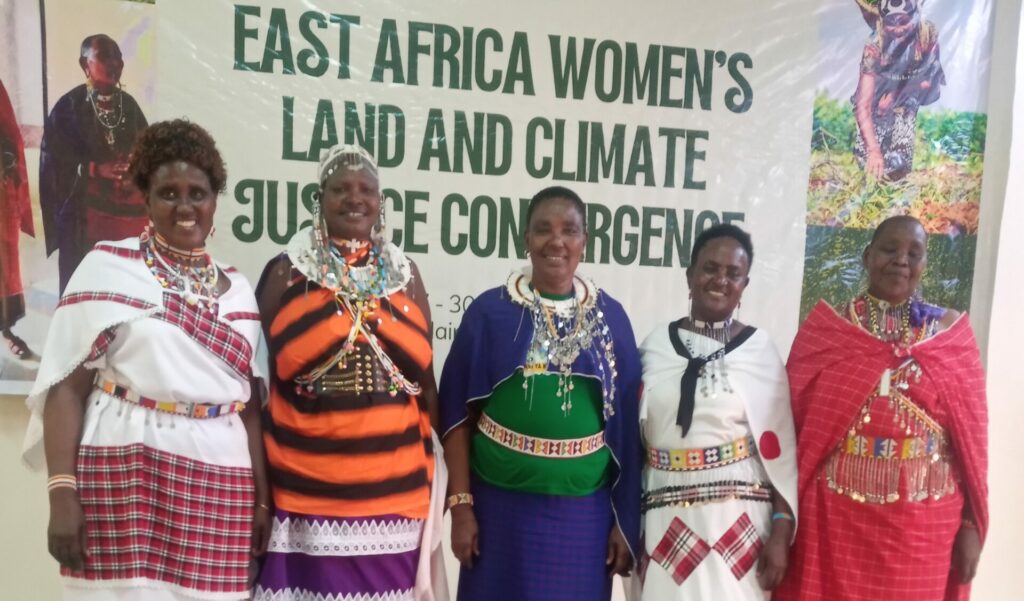
She attended several Internation events such as United Nations High level Political Forum, the 2023 Norman E. Borlaug International dialogue, Commission of the status of Women 68 and 69 (CSW68 and 69) and United Nations Convention to Combat Desertification (UNCCD) COP16 2024. Other events are The Paris Conference on Education (PCE2025), International year of rangeland in Australia 2025, A learning, solidarity and exchange land study tour in Siera Leone 2025, 2026 women and climate justice convergence in Nairobi Kenya and the global women gathering of pastoralist women in Nepal, 2026. In 2026 Paulina will attend the global pastoralist Internation gathering in Mongolia, In Mongolia she will engage with international policymakers and stakeholders to address the intersections between land degradation, climate change, and gender inequality. As a representative of marginalized pastoralist communities.
Challenges & Problems faced in Rangeland and Pastoralism in the region:
Major challenges facing rangelands and pastoralists in Tanzania include:
- Expansion of Crop Cultivation: Significant areas of communal rangelands are being converted into agricultural land.
- Conflicts Over Resources: Intense competition for land, especially in rangelands, causes frequent conflicts. Pastoralism and agriculture struggle for land access, which is worsened by top-down planning that ignores traditional land uses.
- Insecurity of rangelands: Most communal rangelands are perceived by many land users and government officials to be degraded, misused and unproductive and hence characterized by conflicts related to land uses.
- Funding & Resource Scarcity: A major barrier in doing Joint Village Land Use Planning is the high cost of preparation and implementation. Many district councils lack the budget for essential equipment, stationery, or even allowances for planning committee members and so village land use planning are left to NGO s which also have limited funding. Example KINNAPA is only getting funding for land use planning from ILRI.
- Limited Technical Capacity: Districts and village councils often lack the specialized skills required for complex planning, such as spatial mapping and data management.
- Conflict Resolution Complexity: Joint Village Land Use Planning requires intense mediation and negotiation between different land user groups. Finding a common interest and commitment to sharing resources across borders can be difficult.
- Marginalization of Vulnerable Groups: Women and other “less visible” groups are frequently excluded from decision-making processes, leading to plans that do not reflect the needs of the entire community.
Role and Achievements in Rangeland management/ restoration:
i) Location: Tanzania, Manyara, Pwani and Morogoro regions:
I have been involved in securing and restoring a total of 208,494ha of grazing land in the United Republic of Tanzania in four districts namely Kiteto, Chalinze, Kilosa and Mvomero out of which 161,920ha have been gazetted by government in the government Notice (GN number 597 and 718) as grazing land, 82,386.632ha have been legally issued to Livestock Keepers Associations (pastoralists) as owners of the land through Certificates of Customary Rights of Occupancy.
A total of 46,574ha have been demarcated as grazing land and are in process to be legally issued to Livestock Keepers Associations (pastoralists) as the landowners. I have also managed to support pastoralists to restore a total of 162.782ha of grazing land through bush thinning to remove unwanted shrubs and invasive plant species to enhance growth of palatable pasture species and easy movement for livestock across the grazing landscape.
ii) Number of livestock/ animal population benefited Both wild and domesticated:
A total of 469,126 livestock population is benefiting directly from the demarcated grazing area.
iii) Number of community members benefited:
72,245 male and 76,972 female are benefiting giving a total of 149, 217 community members who are directly benefiting
iv) Any policy changes brought/achieved:
I have been fully engaged in supporting the government of United Republic of Tanzania to develop “The guidelines for integrated and participatory village land use planning, management and administration in Tanzania” which is under way for publication. This wasn’t there before the project and Joint village land use planning process was more complex as there were no legal guidelines to follow.
v) Any other impact:
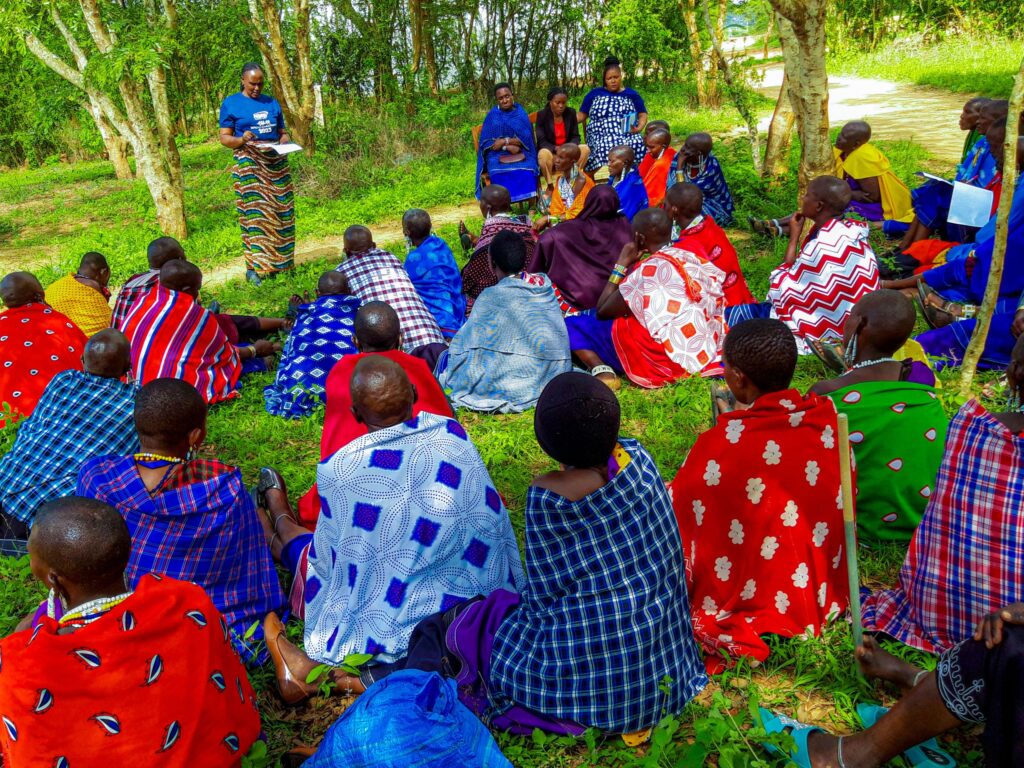
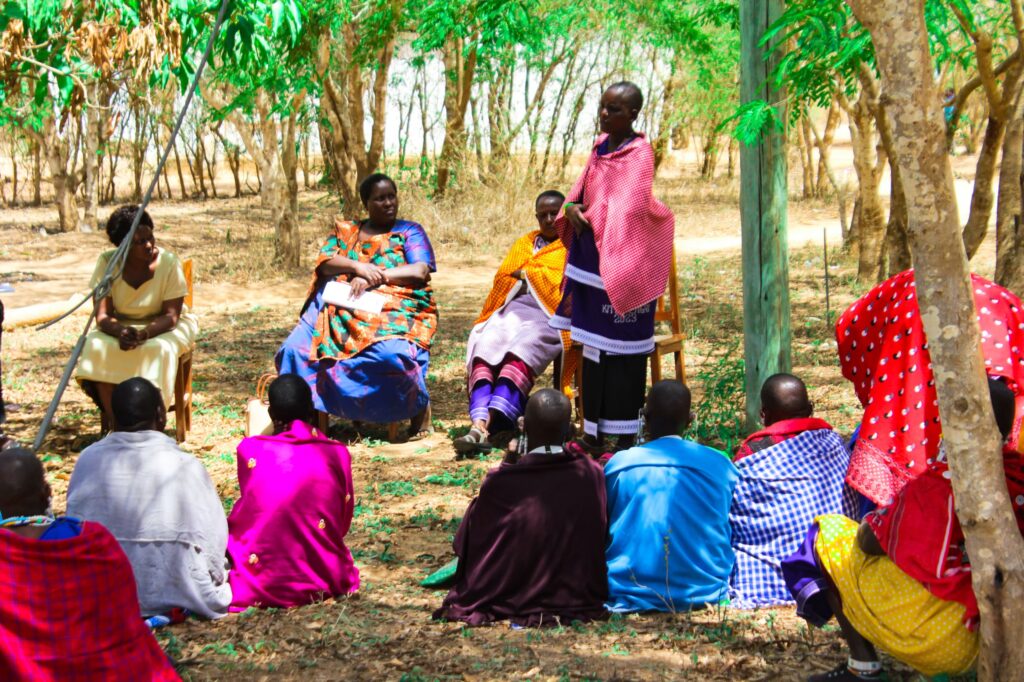
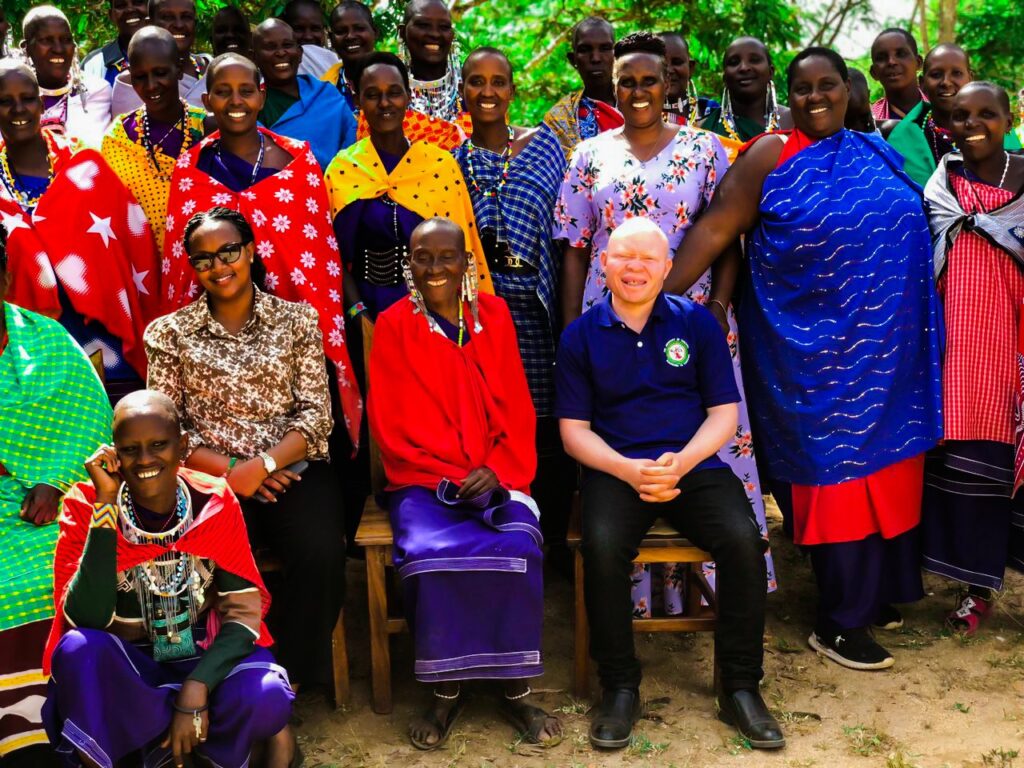
Other impact of my work is formation of 4 Women Rights and Leadership Forums (WRLF) with a total of 150 members which impacted about 76,972 women through the following roles that the forums have.
- Empowering Local Leadership: WRLFs strengthen women’s public participation and increase their representation in local governance, enabling them to lead community development efforts.
- Advancing Economic Rights: They enhance livelihoods by improving access to economic resources, such as livestock, land and training, which promotes financial independence for women.
- Defending Rights and Addressing Violence: These forums act as platforms for challenging harmful practices, defending property rights, and tackling domestic violence and child marriage.
- Community Mobilization: They mobilize both women and men in community-based initiatives, aiming to change attitudes and ensure sustainable development.
- Networking and Advocacy: These forums connect emerging leaders with established ones, enabling effective advocacy for women’s rights at local, regional, and national
The second other impact is reduction of conflict between pastoralist and crop growers. Example In 2017 before Joint Village land use planning in one of our police station, 263 pitting farmers and livestock keepers’ cases were reported but after joint village land use planning in OLENGAPA and ALOLLE in 2023 there were only 64 reported cases. This is about 243% decline in conflicts after the JVLUP were implemented.
Who are all different stakeholders Involved in this process and what recognition have been given already through awards, incentive etc.:
We cooperate with all legal planning authorities such as the National Land Use Planning Commission (NLUPC) which is a national planning authority and custodian for all land uses in Tanzania, District and village councils which are the local planning authorities and community members who are the beneficiaries and landowners. We also collaborate with international organizations such as International Livestock Research Institute (ILRI) who is funding an organization I am working with (KINNAPA) to enhance the Joint Village Land Use Planning.
What is the future or opportunities for strengthening your work on rangeland restoration and pastoralism:
The following opportunities will strengthen my work as I am still working with the KINNAPA Development Programme.
- Expanding to New Landscapes: KINNAPA can scale the JVLUP approach—which has already demarcated 46,574ha grazing hectares in Tanzania to other ecologically sensitive, multi-village grazing ecosystems across Tanzania.
- Securing Collective Land Titles: There is a major opportunity to push for the legal formalization of shared grazing lands by helping Livestock Keepers Associations acquire Certificates of Customary Rights of Occupancy (CCROs) which will provide legal tenure land security for pastoralists and agro-pastoralists.
- Policy Advocacy and Scaling: With the Tanzanian government adopting JVLUP into national guidelines and strategies, KINNAPA is well-positioned to assist district councils and the National Land Use Planning Commission in replicating these successful governance structures nationally.
- Integrating Climate Resilience: Leveraging recent support from ILRI, KINNAPA can integrate climate adaptation strategies into Joint Village Land Use Plans by mapping out grazing locations, livestock mobility corridors, and shared grazing sources.
- Enhancing Inclusive Governance: KINNAPA has the opportunity to deepen the inclusion of women, youth, and minority groups in land management and conflict mediation negotiations across village clusters.
Few pictures and video clips:
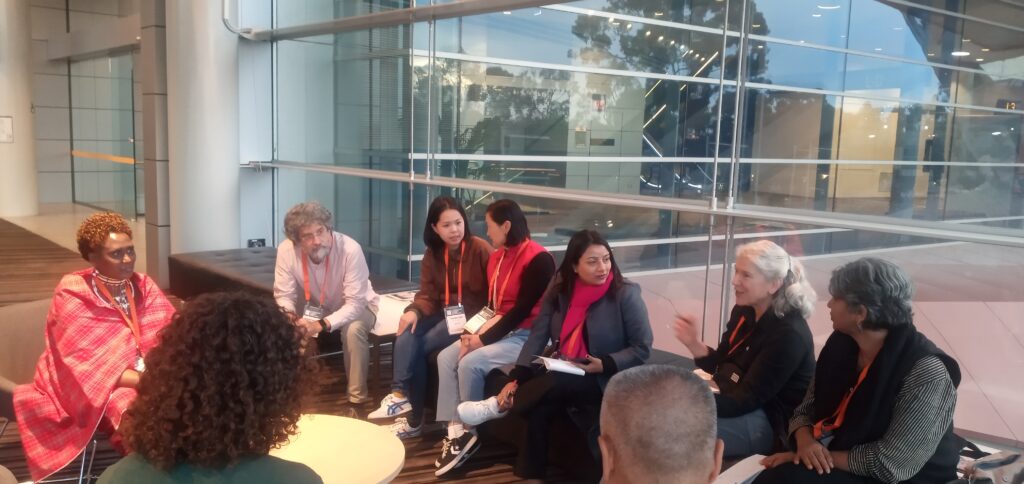
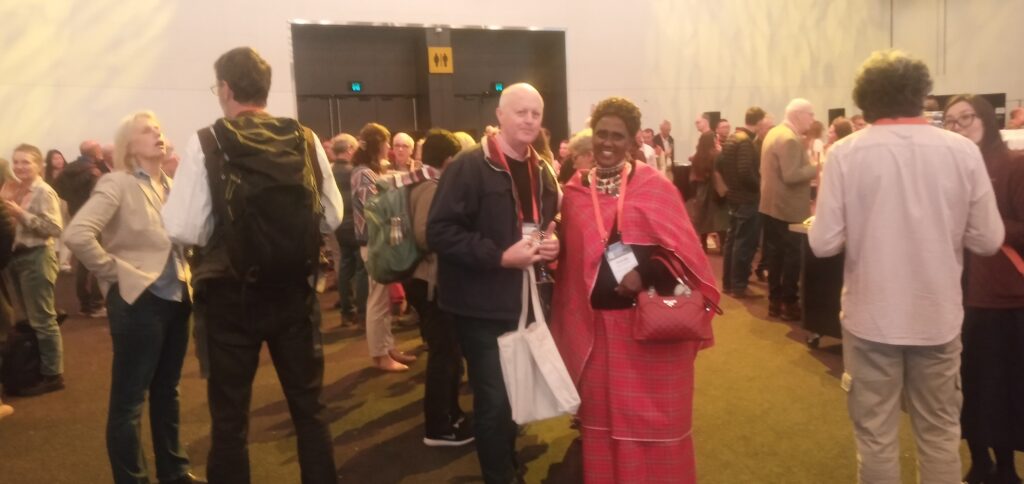
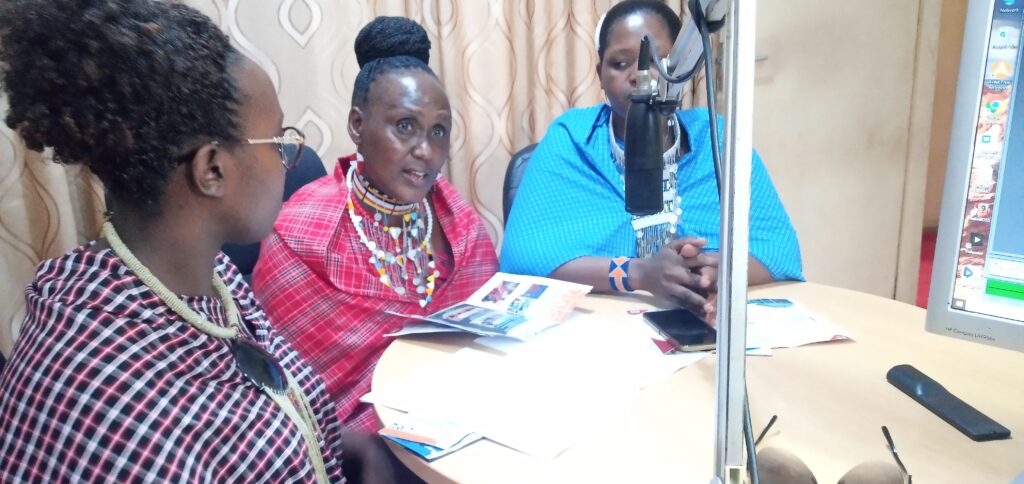
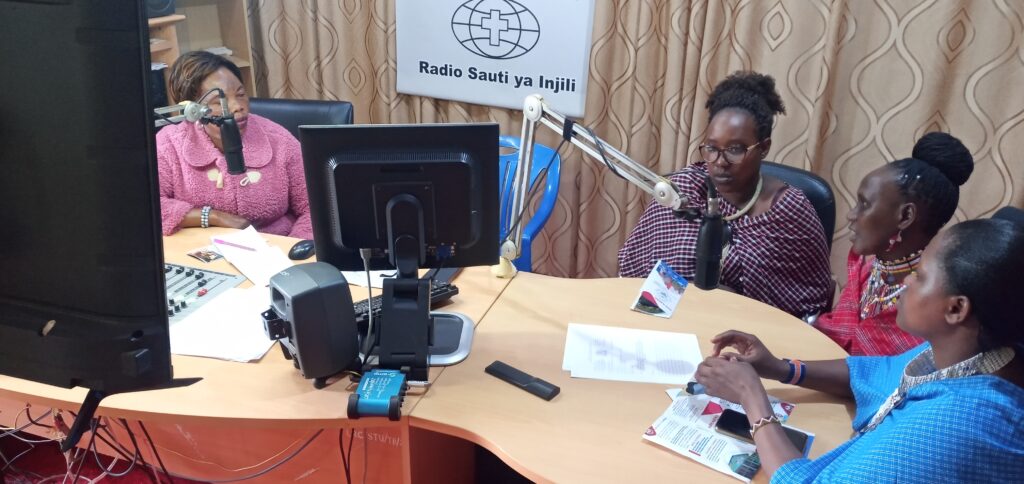
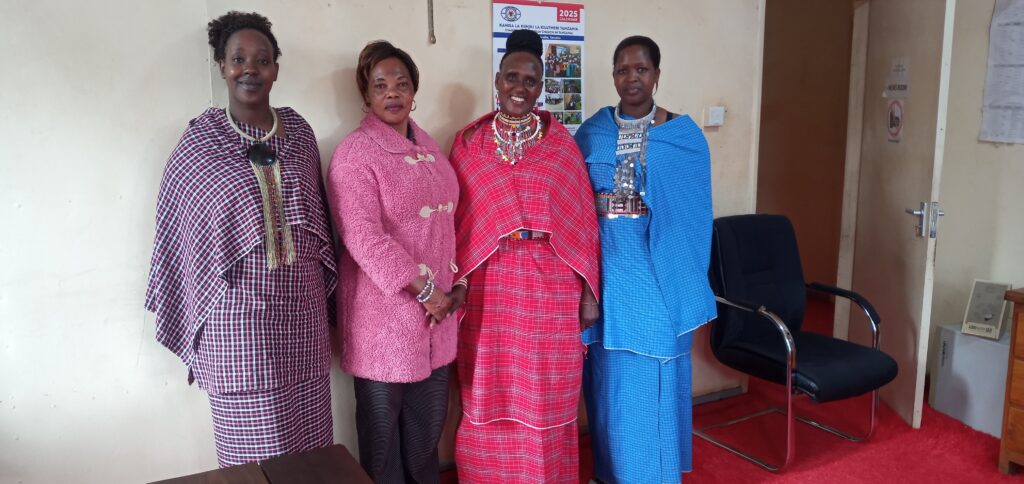
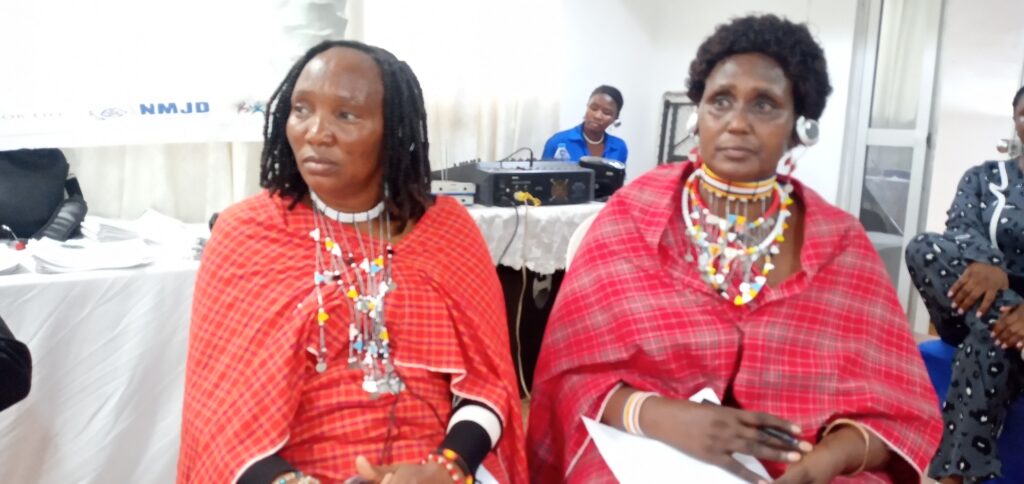
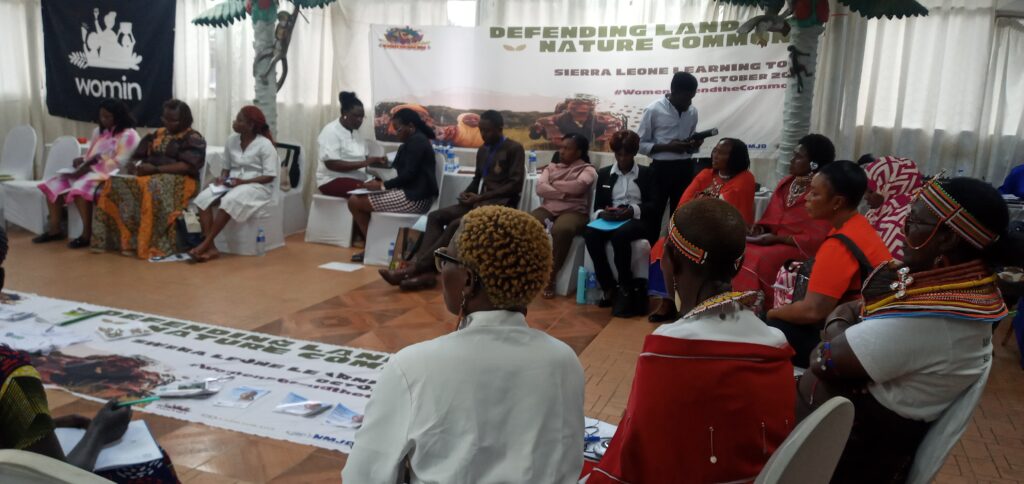
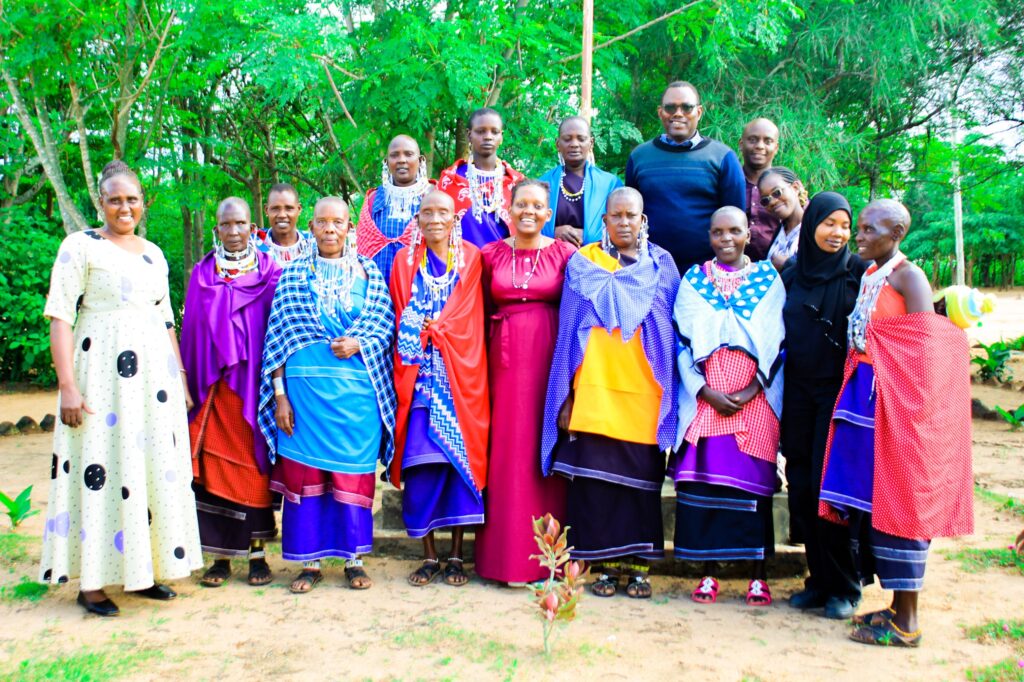
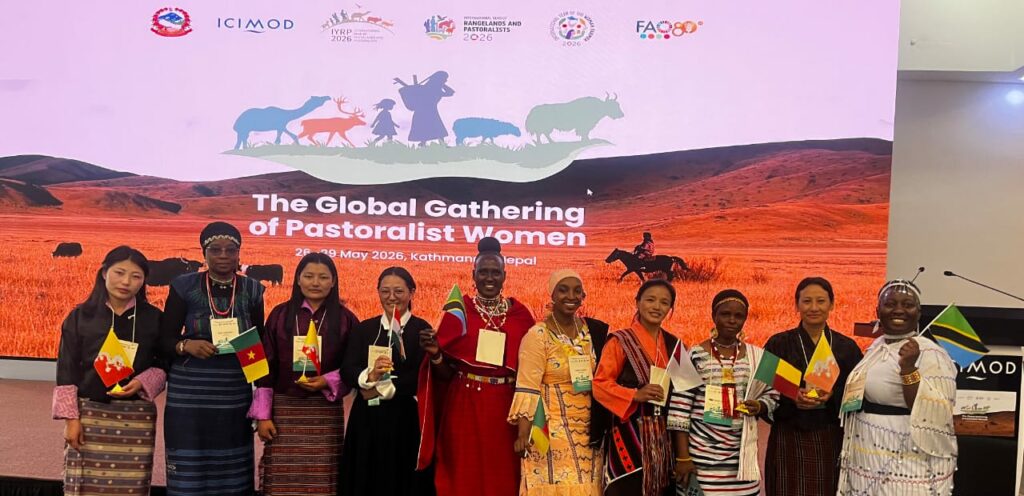
Video: Paulina Advocating education for pastoral women in UN
Video: Paulina gender advocacy
Video: Rangeland atlas
Reference of two known person/ leaders and Govt. officials who are familiar about your work and achievements:
Fiona Flintan: f.flintan@cgiar.org
Abraham Akilimali: babuakili@gmail.com