
Name and Address:
P. Kabilan
D 208, Balaji Street, Alagappan Nagar, Madurai – 625003, Tamil Nadu, India
Phone and E-mail:
Phone: +91 98944 06111
E-mail: kabilanmkuc@gmail.com
Brief background Information of Nominee including age, education and employment/profession associated etc.:
Dr. P. Kabilan (Date of Birth: 15 July 1978) is a pastoral bio-economist, researcher, educator, and grassroots community activist from Tamil Nadu, India. He holds an M.Sc. and Ph.D. in Computer Science and currently serves as an Associate Professor in the Department of Computer Science, Madurai Kamaraj University College, Madurai. Coming from a traditional pastoralist family, he has firsthand knowledge of pastoral livelihoods, indigenous livestock management, and rangeland ecosystems, which has inspired his lifelong commitment to pastoral development and rangeland restoration.
Dr. Kabilan is the Founder of Thozhuvam Trust (2020) and Thozhuvam Farmer Producer Company Ltd. (FPCL) (2021), recognized as India’s first pastoralist-led Farmer Producer Company, established with support from NABARD–MABIF to strengthen sustainable pastoral livelihoods, indigenous livestock conservation, and regenerative rural enterprises. He is also a member of the IYRP Pastoral Economy Working Group.
Since 2019, he has worked extensively on rangeland restoration, pastoralism, commons governance, climate resilience, and indigenous livestock conservation. By integrating ecological science, community participation, and digital innovation, he has developed pioneering initiatives linking rangeland restoration, pastoral livelihoods, satellite-based ecological monitoring, pastoral bio-economy systems, and renewable energy solutions. Through Thozhuvam Trust, Thozhuvam FPCL, and the Grass Guards Initiative, he has helped strengthen the livelihoods of hundreds of pastoral families while promoting sustainable management of grazing commons and biodiversity-rich rangeland ecosystems.
His work represents a unique combination of traditional pastoral knowledge, scientific research, and technological innovation, making significant contributions to pastoral development, climate resilience, and rangeland conservation in India.
Age: 47 years (as of 2026).
Challenges & Problems faced in Rangeland and Pastoralism in your area/region:
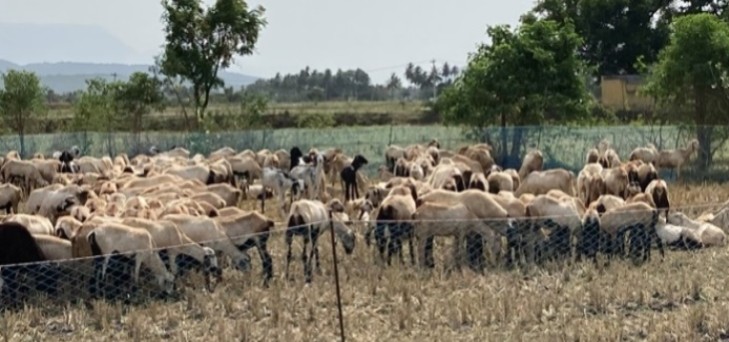
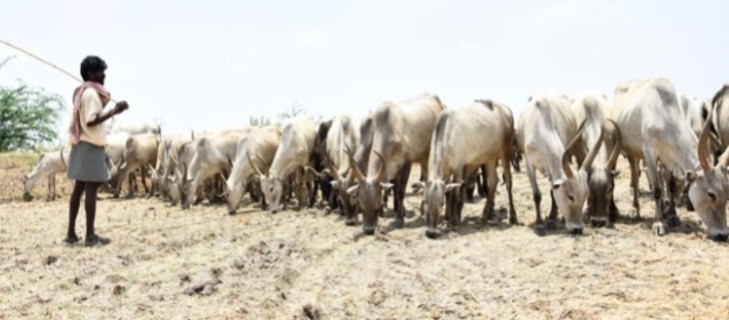
Since 2019, Thozhuvam has been working with pastoral communities across a 100-km grazing landscape around Madurai and several districts of southern Tamil Nadu. The network currently includes more than 400 pastoralists managing over 25,000 Pulikulam cattle, 30,000 Kilakarisal sheep, and 600 buffaloes through traditional open-grazing systems.
The most significant challenge faced by these communities is the rapid decline of grazing commons, grasslands, water bodies, and traditional livestock movement corridors. Many village grazing lands have been encroached upon, converted for other land uses, or degraded due to neglect, reducing the availability of forage and water resources for livestock. Pastoralists are increasingly forced to travel longer distances in search of grazing, resulting in higher labour costs and reduced livelihood security.
Climate variability has further intensified these challenges. Frequent droughts, erratic rainfall, declining grass productivity, and water scarcity directly affect livestock health, mobility, and productivity. Indigenous breeds such as Pulikulam cattle and Kilakarisal sheep, which are highly adapted to dryland ecosystems, are also under pressure due to shrinking grazing resources and declining pastoral livelihoods.
Pastoral communities additionally face limited institutional recognition, weak market linkages, inadequate support for grazing rights, and declining participation of younger generations in traditional livestock-based occupations. Despite their important role in conserving biodiversity, maintaining ecosystem health, enhancing soil fertility, and supporting climate resilience, pastoral systems remain undervalued in policy and development planning.
These realities have shaped Thozhuvam’s work on rangeland restoration, commons governance, indigenous livestock conservation, ecological monitoring, pastoral bio-economy development, and strengthening sustainable livelihood opportunities for pastoral communities across southern Tamil Nadu.
Key Pastoral Network Supported by Thozhuvam
- 400+ pastoral community members
- 25,000+ Pulikulam cattle
- 30,000+ Kilakarisal sheep
- 600+ buffaloes
- 100-km pastoral grazing landscape across Madurai and southern Tamil Nadu
Role and Achievements in Rangeland Management and Restoration:
Since 2019, I have been working with pastoral communities through Thozhuvam Trust, Thozhuvam Farmer Producer Company Ltd. (FPCL), and the Grass Guards Initiative to conserve rangelands, strengthen pastoral livelihoods, and promote sustainable management of grazing commons across Madurai and the southern districts of Tamil Nadu.
My work focuses on traditional grazing landscapes within a 100-kilometre radius of Madurai, covering village commons, poramboke grazing lands, grasslands, pasturelands, water bodies, dryland ecosystems, and seasonal livestock migration corridors. These landscapes support indigenous livestock breeds including Pulikulam cattle, Kilakarisal sheep, and native buffaloes that depend on open grazing systems for their survival and productivity.
A major achievement has been the establishment of a pastoral community network comprising more than 400 pastoralist members managing over 25,000 Pulikulam cattle, 30,000 Kilakarisal sheep, and more than 600 buffaloes. Through this network, traditional grazing practices, livestock mobility, indigenous knowledge systems, and commons-based resource management have been strengthened and documented.
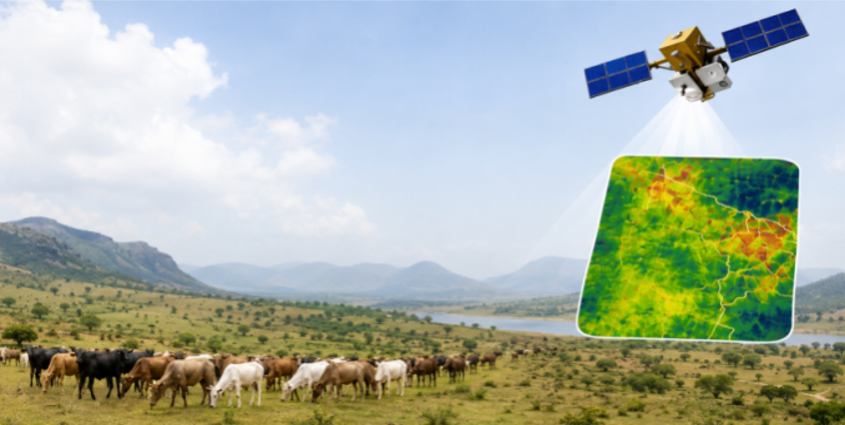
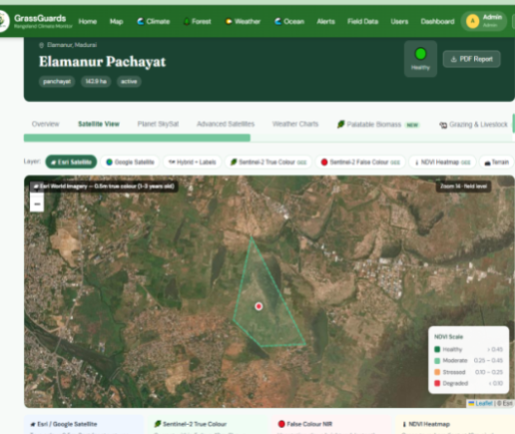
Under the Grass Guards Initiative (www.GrassGuards.org), community members, youth volunteers, researchers, and pastoral leaders were mobilized to monitor and protect grazing commons and grassland ecosystems. Using satellite imagery, GIS tools, field observations, Google Earth Engine, and indigenous pastoral knowledge, ecological monitoring systems were established to assess vegetation health, forage availability, rainfall patterns, drought impacts, fire risks, and land-use changes affecting rangelands. More than 200 volunteers currently participate in these monitoring and awareness activities across Tamil Nadu.
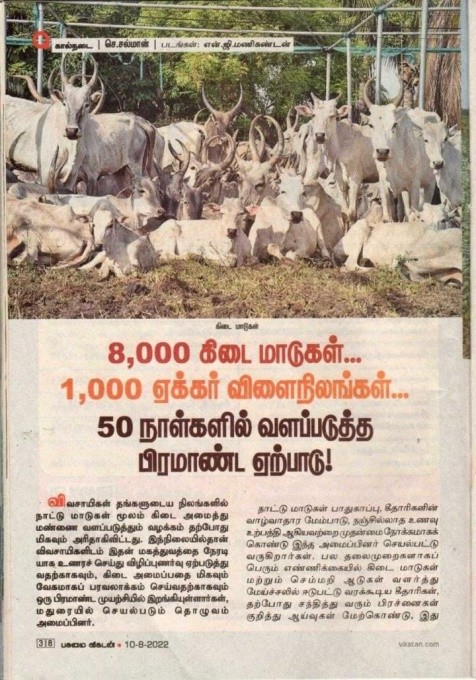
Traditional Eco-Penning and Regenerative Grazing Systems were revived and strengthened across Melur, Vadipatti, Tirumangalam, Sholavandan, Tiruvathavur, Maikudi, Oomachikulam, and neighbouring regions. These systems connect pastoralists and farmers by allowing livestock to graze on commons during the day and stay on agricultural fields at night, enriching soils through natural manure deposition and microbial nutrient cycling. Since 2022, nearly 1,000 acres of agricultural land have benefitted annually through these practices involving around 8,000 cattle and hundreds of farming households.
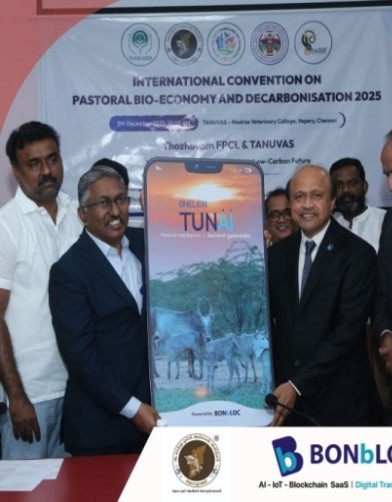
To strengthen pastoral resource management and farmer–herder connectivity, I led the development of TUNAI (https://tunai.onelign.com), an AI-enabled digital platform for pastoral communities, developed with technical support from BONbLOC Technologies and launched through TANUVAS. TUNAI supports livestock registration, grazing route mapping, herder tracking, eco-penning coordination, farmer–herder linkages, and community-based rangeland monitoring. The platform connects farmers with pastoralists for eco-penning services while documenting livestock mobility and traditional grazing routes, thereby supporting sustainable grazing management, pastoral livelihoods, and data-driven rangeland conservation.
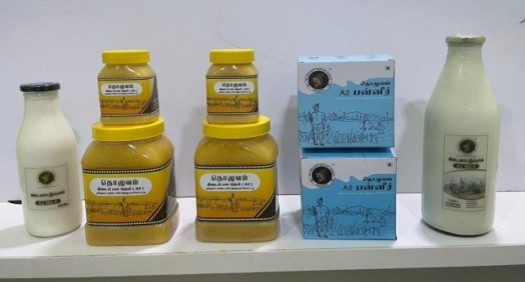
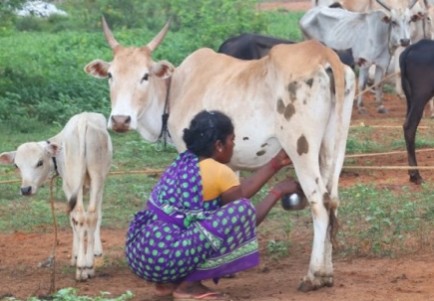
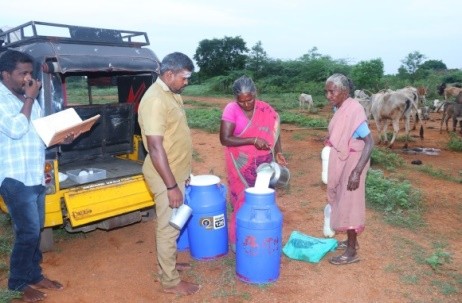
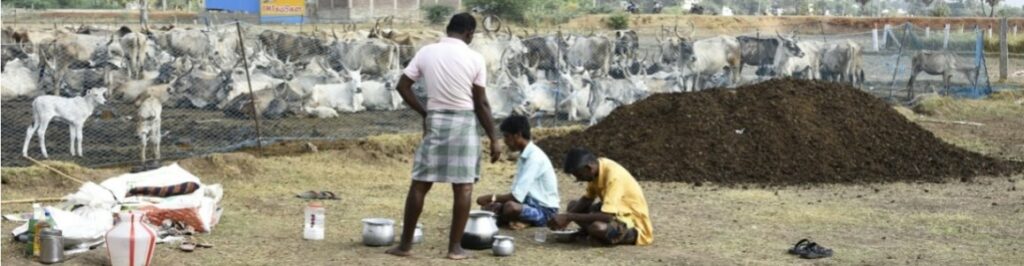
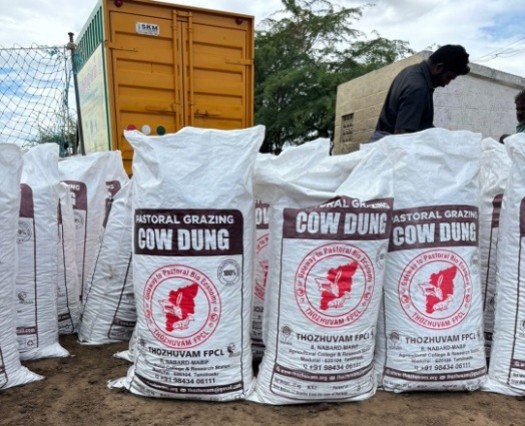
The initiative has also contributed to protecting indigenous livestock breeds and strengthening pastoral economies. Through Thozhuvam FPCL, India’s first pastoralist-led Farmer Producer Company supported by NABARD-MABIF, pastoral communities have gained improved market access, dairy value chains, livestock marketing opportunities, Bio-CNG linkages, and value-added rural enterprises. More than 100 dairy-producing families, 300 sheep pastoralists, and 50 cattle-herding families currently benefit directly from these livelihood interventions. Through Bio-CNG and circular bio-economy initiatives, pastoral cow dung is linked to renewable energy production and regenerative agriculture systems, creating additional income opportunities for pastoral households.
Resource management is guided by traditional community norms and Common Pool Resource Management principles. Community members collectively regulate grazing access, seasonal livestock movement, water use, protection of grasslands, and restoration activities. The Grass Guards movement promotes the principle that communities dependent on common lands should lead their protection, restoration, and governance.
At the policy and advocacy level, efforts have been undertaken to raise awareness on grazing rights, commons governance, pastoral mobility, and indigenous livestock conservation. Community concerns regarding grazing access, protection of grazing commons, water bodies, and pastoral livelihoods have been represented before government institutions and legal forums, contributing to wider public recognition of pastoralism and rangeland conservation in Tamil Nadu.
The overall impact of these initiatives includes improved protection and restoration of grazing commons, conservation of indigenous livestock breeds, strengthened pastoral livelihoods, enhanced soil fertility through regenerative grazing, increased awareness of pastoral rights, improved community participation in commons governance, and development of innovative digital and satellite-based ecological monitoring systems. The work has demonstrated that pastoralism is not only a livelihood system but also a vital mechanism for biodiversity conservation, climate resilience, carbon sequestration, ecosystem restoration, and sustainable management of rangelands.
Feedback from Community Members / Public:
The initiatives undertaken through Thozhuvam Trust, Thozhuvam Farmer Producer Company Ltd. (FPCL), TUNAI, and Grass Guards have received widespread appreciation from pastoral communities, farmers, public leaders, academic institutions, and development organizations for their contributions to rangeland restoration, indigenous livestock conservation, pastoral livelihoods, and commons governance.
Mr. P. Moorthy, former Minister for Commercial Taxes and Registration, Government of Tamil Nadu, appreciated the efforts to protect grazing commons, indigenous livestock breeds, pastoral livelihoods, and natural farming systems. He emphasized the importance of recognizing pastoral communities as custodians of Tamil Nadu’s dryland ecosystems and supported initiatives promoting pastoral economy development and indigenous livestock conservation.
Mr. Su. Venkatesan, Member of Parliament (Madurai), commended the work of Thozhuvam in strengthening pastoral livelihoods, conserving indigenous livestock breeds, and protecting traditional grazing systems. He highlighted the need for institutional mechanisms such as a Pastoral Economy Development Board and acknowledged the role of pastoral communities in preserving ecological and cultural heritage.
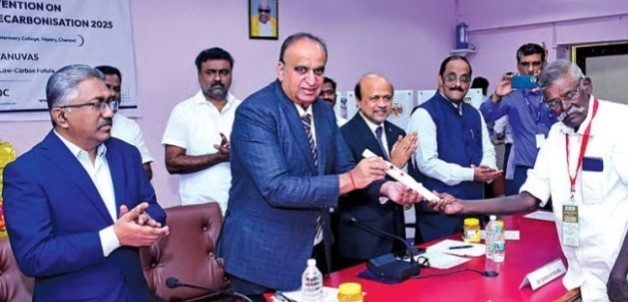
Dr. R. Narendra Babu, Vice-Chancellor (i/c), TANUVAS, appreciated the efforts to connect pastoral communities with scientific institutions through innovations such as the TUNAI platform, digital pastoral monitoring systems, and collaborative research initiatives. He noted that these efforts have strengthened partnerships among pastoralists, universities, government departments, and development agencies for indigenous livestock conservation and sustainable rangeland management.
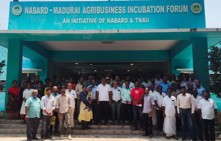
Mr. A.S. Sakthi Balan, Assistant General Manager, NABARD, Madurai, appreciated the role of Thozhuvam FPCL in organizing pastoral communities and creating sustainable livelihood opportunities through dairy enterprises, value-added products, eco-penning systems, and pastoral bio-economy initiatives. He recognized Thozhuvam FPCL as an innovative community-led model for pastoral development and rural entrepreneurship.
Pastoral community members have also expressed strong support for these initiatives.
Mr. Cellapandi Keethari, a senior Pulikulam pastoralist from Vadipatti, stated that awareness campaigns, documentaries, and advocacy initiatives have increased public recognition of pastoral communities and strengthened confidence in protecting grazing commons and traditional livelihoods.
Mr. Murugan Keethari from Maikudi highlighted that pastoral bio-economy and Bio-CNG initiatives have created new livelihood opportunities by generating economic value from traditional livestock systems while supporting renewable energy and regenerative agriculture.
Mr. Sankumani from Ilamanur appreciated the Grass Guards Initiative and the “One Panchayat – One Grassland” movement for motivating communities to protect and restore village grazing lands, grasslands, and water bodies.
Farmers participating in Eco-Penning programmes reported improved soil fertility, reduced dependence on chemical fertilizers, enhanced crop productivity, and stronger collaboration between farming and pastoral communities. Many farmers now actively engage pastoral herders through seasonal eco-penning arrangements and the TUNAI platform.
Overall, feedback from communities, public leaders, academic institutions, and development organizations consistently highlights that these initiatives have strengthened pastoral livelihoods, improved commons governance, conserved indigenous livestock breeds, promoted climate-resilient rangeland management, and enhanced public recognition of the ecological and economic contributions of pastoral communities in Tamil Nadu.
What are the Future Plans or Opportunities for Strengthening Your Work on Rangeland Restoration and Pastoralism?
My future vision is to establish a community-led model for rangeland restoration, pastoral
livelihood enhancement, and climate resilience across Tamil Nadu and other dryland regions
of India. Building on the work of Thozhuvam Trust, Thozhuvam FPCL, Grass Guards, and
TUNAI, I aim to strengthen the integration of indigenous pastoral knowledge, ecological
science, and digital innovation for sustainable rangeland management.
A key priority is to expand the Grass Guards Initiative (http://www.GrassGuards.org) into a state-wide community-based rangeland monitoring network. This will include satellite-based monitoring of grassland health, biomass productivity, drought conditions, fire risks, and ecological restoration activities, while actively involving pastoral communities, students, researchers, and local institutions.
Another major objective is to scale up the “One Panchayat – One Grassland” movement to support the restoration and protection of village grazing commons, grasslands, water bodies, and livestock corridors. The initiative seeks to strengthen community stewardship and improve governance of common property resources through participatory planning and ecological restoration.
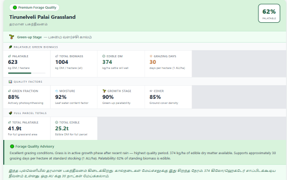
Through TUNAI APP, I plan to further strengthen farmer–herder connectivity, livestock mobility documentation, eco-penning coordination, grazing route mapping, and digital pastoral services. The platform will be expanded to support climate advisories, forage forecasting, livestock traceability, veterinary support, and community-based ecological data collection.
I also aim to expand pastoral bio-economy initiatives by strengthening dairy enterprises, indigenous livestock value chains, Bio-CNG systems, regenerative agriculture partnerships, and green rural enterprises. These efforts will create sustainable livelihood opportunities for pastoral youth and women while enhancing the economic value of pastoral systems.
At the policy level, I intend to work with pastoral communities, research institutions, government agencies, and international organizations to strengthen recognition of pastoralism, grazing commons, indigenous livestock conservation, and rangeland restoration within development and climate-resilience programmes. Special emphasis will be given to documenting the contribution of pastoral systems to biodiversity conservation, carbon sequestration, ecosystem restoration, and sustainable food systems.
Through these efforts, I hope to build a scalable and replicable model that demonstrates how pastoral communities can become leaders in restoring rangelands, conserving biodiversity, strengthening climate resilience, and sustaining traditional livestock-based livelihoods for future generations.
Pictures and video clip

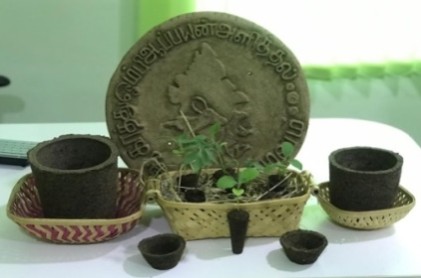
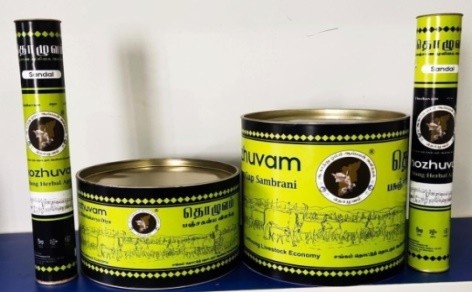
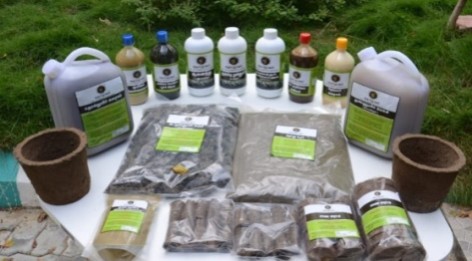
Gateway to the Pastoral Bio-Economy
Thozhuvam FPCL’s Value-Added Products, Circular Rural Enterprises, and Sustainable Pastoral Livelihoods
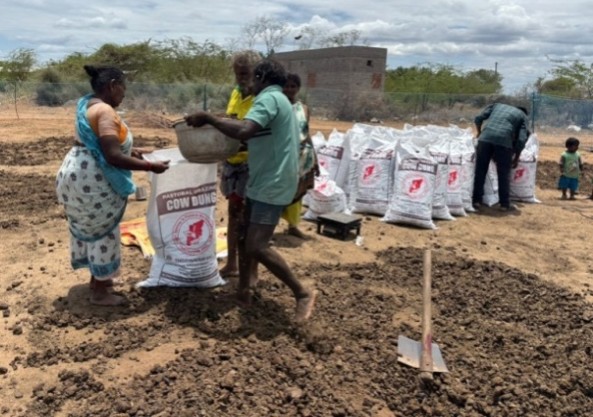
Community-Led Pastoral Development and
Livelihood Innovation
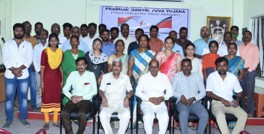
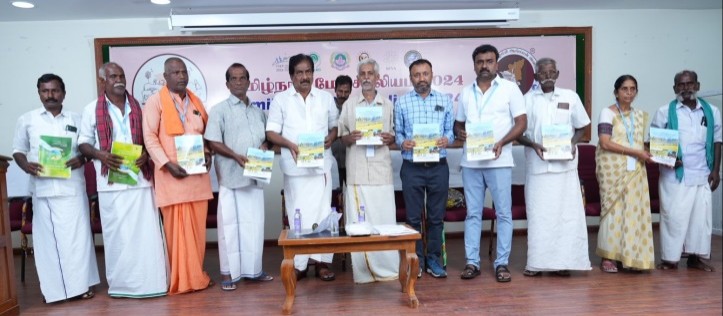

Watch the Documentary

Scan the QR Code or watch on YouTube to explore P. Kabilan’s work on pastoralism, rangeland restoration, and the pastoral bio-economy in Tamil Nadu.
YouTube: https://www.youtube.com/watch?v=mQWIxvMRxxw
Empowering Pastoral Communities through
TUNAI APP and www.GrassGuards.org
Reference of Two Known Persons / Leaders / Government Officials Familiar with My Work and Achievements:
1. Mr. A.S. Sakthi Balan
Assistant General Manager (AGM)
National Bank for Agriculture and Rural Development (NABARD), Madurai Regional Office
Mobile: +91 90036 19210
Mr. Sakthi Balan has closely associated with and supported the establishment and development of Thozhuvam Farmer Producer Company Ltd. (FPCL), India’s first pastoralist-led Farmer Producer Company. He is familiar with the initiatives related to pastoral livelihoods, indigenous livestock conservation, pastoral bio-economy development, eco-penning systems, and community-led rangeland restoration undertaken through Thozhuvam.
2. Dr. K. Jagadeesan
Associate Professor, Department of Animal Genetics and Breeding
Madras Veterinary College, Tamil Nadu Veterinary and Animal Sciences University (TANUVAS), Chennai.
Mobile: +91 95660 82013
Dr. Jagadeesan has been closely associated with Thozhuvam’s initiatives on indigenous livestock conservation, pastoral research, rangeland restoration, pastoral bio-economy development, and digital innovations such as the TUNAI platform. He is familiar with the impact of these initiatives on pastoral communities and sustainable rangeland management in Tamil Nadu.