
Name and Address:
Hashu Karma Choskhas
Jialo Grassland, Zhido County, Yushu Tibetan Autonomous Prefecture, Qinghai Province, China
Phone and E-mail:
Phone: +86 19700065556 / +86 17752137617 / +86 18797191513
Email: 1978375539@qq.com
Brief background information of Nominee (age, education, employment/profession, etc.):
Age: 33
Education: Northwest Minzu University, majored in Tibetan literature
Profession/Role: Founder of the Polar Nomadic School; County-Level Intangible Cultural Heritage Bearer of the Jiangsai Tribe’s Life-Celebrating Black Tent (Shengto style); Grassland and water source guardian in Sanjiangyuan; Provincial “Sanjiangyuan · Qingyuan Guardian”; Awardee of “China Dream · Qinghai Story”; Initiator of the “Tree of Life” Lecture Series in Hoh Xil; Founder of the Yushu Third Pole Ecological Nomadic Culture Protection and Development Research Service Center.
Challenges & Problems faced in Rangeland and Pastoralism in your area/region:
In 2012, illegal mining severely damaged the ecology of Jialo Grassland and its rivers, threatening herders’ livelihoods.
Traditional nomadic culture, including black tent craftsmanship, is at risk of disappearing.
Grassland degradation and water source pollution risks persist; lack of community-led protection mechanisms.
Need to enhance herders’ awareness of climate adaptation and ecological conservation.
Describe Role and Achievements in Rangeland management/restoration:
Local name and type of pastureland/grassland: Jialo Grassland, alpine grassland type, located in Zhido County, Yushu, Qinghai.
Legal status:The core area of the Three River Source National Park is a legally designated national park core protection zone, where all natural resources within the entire region are owned by the state. The State Council authorizes the Qinghai Provincial Government to exercise ownership on its behalf, the park administrative committee carries out lawful management and protection, and existing grassland contractual management rights continue to legally subsist.
Area and location: Manages and restores over 5,000 mu (approx. 333 hectares) of grassland year-round; located at the source of the Yangtze River, headwaters of the Nêqü River.
Number of livestock/animal population benefited: Involving about 300 yaks and about 100 Tibetan sheep.
Number of community members benefited: Over 5,000 students, herders, and teachers have benefited from the Polar Nomadic School (as stated in the story).
Rules in management of resources: Through the Nomadic School and community actions, promotes scientific grazing bans, rotational grazing, waste cleanup, low-carbon living; mobilizes herders to jointly protect the “Water Tower of China.”
Any policy changes brought/achieved: In 2014, with the implementation of national environmental policies, illegal mining was completely banned – the nominee’s resistance contributed to this outcome.
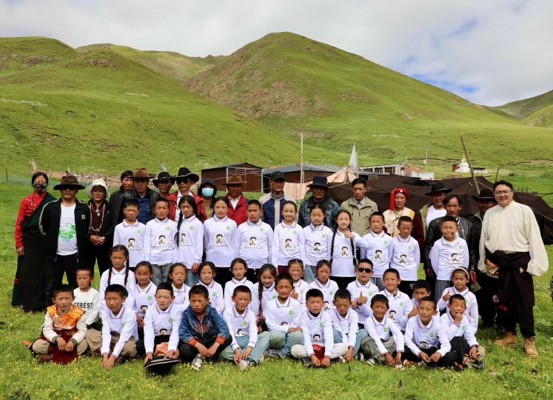
Any other impact: Founded the Polar Nomadic School (2017), using black tents as classrooms, grassland as textbooks, and traditional nomadic wisdom as the foundation. It has become a Qinghai Province Sanjiangyuan Ecological Protection Education Base, and a nomadic research and practice base for Qinghai Minzu University.
Four core actions:
Grassland protection and restoration: manages and restores over 5,000 mu, practices scientific grazing bans, waste cleanup, low-carbon living.
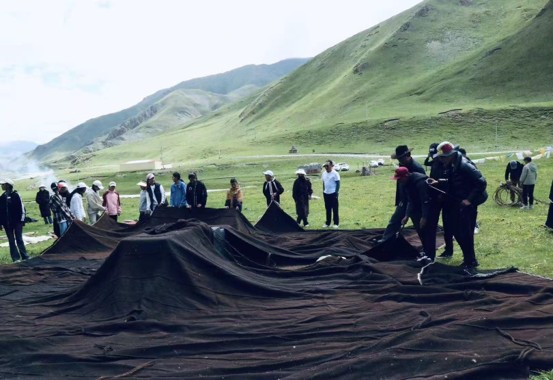
Black tent heritage preservation: revived Shengto-style black tent craftsmanship, recognized as a county-level intangible cultural heritage bearer.
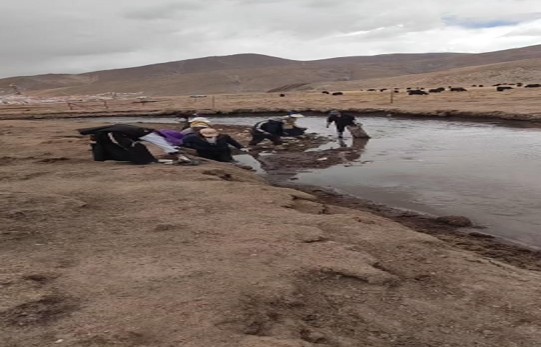
Yangtze River source water protection: guards the Nêqü River headwaters, patrols and cleans waterways, promotes conservation awareness.
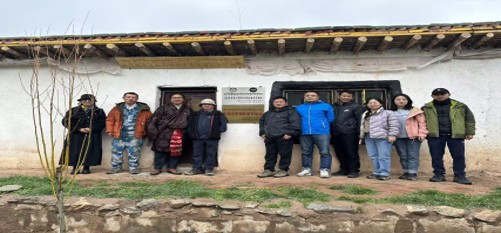
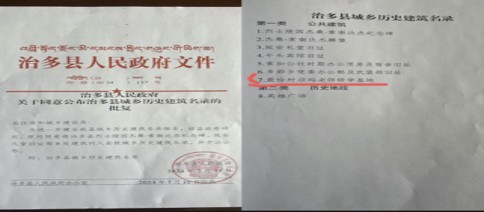
Zero-waste earth house and cultural heritage preservation: transformed his family’s four-generation traditional earth house into a zero-waste cultural space, recognized as a county-level historical and cultural protected building.
Organized a commemorative event for environmental hero Jesang Sonam Dargye (2018); hosted the first Yangtze River Ecological Poetry Season (2025); co-launched the Hoh Xil “Tree of Life” Lecture Series and founded the Yushu Third Pole Ecological Nomadic Culture Protection and Development Research Service Center (2026).
Edited several anthologies, including The Herder’s Perspective and Records of Jiangyuan Herders’ Actions in the Context of Global Extreme Climate.
Narrative summary:
From a defender of his homeland against illegal mining to a grassland mentor, Hashu Karma Choskhas has devoted half a lifetime to protecting Sanjiangyuan’s ecology and cultural heritage. His work demonstrates that traditional nomadism is the most sustainable form of life on the alpine grasslands, integrating ecological conservation, cultural transmission, and community development.
Feedback from community members/public:
Indicative: The Polar Nomadic School has received wide recognition from society, benefiting over 5,000 people. Original quotes from herders or students would strengthen this section.
Future plans or opportunities for strengthening work on rangeland restoration and pastoralism
Continue the Hoh Xil “Tree of Life” Lecture Series to expand ecological education.
Use the newly founded Yushu Third Pole Ecological Nomadic Culture Protection and Development Research Service Center as a long-term platform for integrating nomadic culture research with grassland protection policies.
Deepen collaboration with universities and research institutions to systematize and apply local ecological knowledge.
Continue documenting and disseminating nomadic wisdom, especially traditional strategies for coping with extreme climate.
Photos and video:
Reference of two known persons:
1. Name:Dongrub
Organization: The Comprehensive Law Enforcement Bureau of the Zhiduo Management Office of the Yangtze River Source (Hoh Xil) Park National Park Management Committee.
Position: Director of the Bureau
Contact number: 183 9708 4999
2. Name: Zhang Yong
Organization: Qinghai Polar Natural Resources Survey and Research Institute
Position: Institute Director
Contact number: 18195756271