Name and Address:
Gavlau Govansh Jatan Samvardhan Sanshodhan va Paidaskaar Charitable Trust (Gaolao Breeders Association)
Talegaon Raghuji, Post- Panwadi, District- Wardha Maharashtra (India) — 442106, India
Phone and Email:
Website: www.gaolaobreeders.org
Email: gaolao.sanvardhan@gmail.com
Contact Person: Dr. Prafulla Kalokar, Phone: 9923216667, E-mail : pkalokar@gmail.com
Background Information of person / organization:
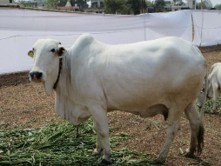
About the Trust: Gaulau Govansh Jatan Samvardhan Sanshodhan va Paidaskaar Charitable Trust, popularly known as the Gaolao Breeders Association, is a community-led organisation dedicated to conserving the indigenous Gaolao cattle breed and restoring the traditional grassland ecosystems of Vidarbha, Maharashtra. Rooted in the traditional ecological knowledge of the Nanda-Gaoli pastoral community, the Trust works at the intersection of biodiversity conservation, pastoral livelihoods, indigenous knowledge systems, and community governance.
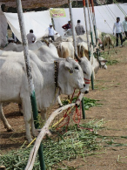
The organisation emerged from the annual Gaolao Cattle Fair initiative started in 2017 in partnership with the Wardha Animal Husbandry Department. These fairs revived social pride and public recognition for the endangered Gaolao cattle breed and gradually evolved into a wider grassroots conservation movement. Since 2018, the fairs have been independently organised by community members, reflecting strong local leadership and ownership. Today, the Trust has nearly 288 active members and works across more than 74 villages in the Vidarbha region. Its work focuses on five interconnected areas: grassland conservation, indigenous breed revival, community forest rights, ethno-veterinary medicine, and youth and women’s empowerment. Through participatory research, rotational grazing systems, biodiversity documentation, pastoral schools, and village-level institutions, the Trust has developed a strong model of community-led rangeland governance.
The Trust and its members actively contribute to district-level committees and local governance processes related to biodiversity conservation, livestock development, and community resource management. Its work has received recognition from several institutions for promoting sustainable pastoralism and protecting indigenous livestock heritage.
In recognition of its outstanding contribution to indigenous breed conservation and ecological restoration, the Trust received the prestigious Breed Conservation Award 2025 from ICAR – National Bureau of Animal Genetic Resources under the institutional category.
About Dr. Prafulla Kalokar: Dr. Prafulla Kalokar holds a Doctorate in Economics from Gondwana University, Maharashtra, with research focused on agro-pastoral livelihoods of the Vidarbha region. His roles include:
- Joint Secretary, Gaolao Breeders Association
- Treasurer & Founding Member, Pastoral Youth Association
Community Context: Vidarbha as a Traditional Grassland Landscape
The Nanda-Gaoli community are semi-nomadic pastoralists living across the grassland and forest buffer regions of Wardha, Yavatmal, Nagpur, and Melghat, especially around the Bor Tiger Reserve. They are the traditional custodians of Vidarbha’s grassland ecosystem and keepers of indigenous livestock breeds adapted to the dryland ecology of central India.
The community traditionally rears two important indigenous breeds:
- Gaolao (Arvi/Gaulgani) cattle, known for heat tolerance, endurance, and nutrient-rich A2 milk.
- Nagpuri/Gawali buffalo, a hardy buffalo breed well adapted to long-distance grazing, dry climates, and low-input pastoral systems.
Historically, the Arvi region of Wardha was known as the “Denmark of Vidarbha” because of its strong milk economy and pastoral culture. The Nanda-Gaoli community played a central role in sustaining this livestock-based economy through traditional grazing systems, indigenous breeding practices, and community-managed grasslands.
The community traces its cultural roots to Nandbaba, the foster father of Lord Krishna, and maintains deep spiritual and ecological connections with cattle, buffaloes, forests, and grasslands. One of their important traditions is the Bhaldeva festival, where cattle, native grasses, and nature are worshipped, reflecting their belief that grasslands are sacred and essential for life.
Today, shrinking grasslands, loss of grazing commons, climate change, and declining recognition of pastoral livelihoods threaten both the community and these indigenous breeds.
Challenges & Problems faced in Rangeland and Pastoralism:
The Nanda-Gaoli pastoral system of Vidarbha is increasingly under pressure due to ecological, policy, and socio-economic changes affecting traditional grazing landscapes and indigenous livestock systems.
- Seasonal Migration and Fodder Scarcity: During the summer months, severe fodder shortages in village grazing lands force Nanda-Gaoli pastoralists to migrate seasonally towards the banks of the Wardha river. This recurring migration disrupts education, healthcare access, and local livelihoods while also increasing grazing pressure on fragile riverine grasslands and water resources.
- Grazing Restrictions and Loss of Traditional Access: Forest department regulations and restricted access to forest-fringe grasslands have significantly affected traditional grazing practices. For generations, the community managed these landscapes through customary rotational grazing systems and seasonal mobility. Reduced access to grazing corridors has weakened pastoral livelihoods and contributed to grassland degradation.
- Decline of the Indigenous Gaolao Breed: Government-led crossbreeding programmes and castration drives have accelerated the decline of the indigenous Gaolao cattle breed. By 2019, the pure Gaolao population had reportedly reduced to nearly 528 animals. However, through community-led in-situ conservation efforts supported by Gaolau Trust and local pastoralists, recent surveys indicate recovery to nearly 1,140 pure Gaolao cattle, representing almost a threefold increase.
- Spread of Invasive Species in Grasslands: Traditional grasslands and forest margins are increasingly dominated by invasive species such as Lantana camara, Parthenium hysterophorus, and Cassia tora. Restrictions on livestock mobility and the decline of traditional rotational grazing have reduced natural grassland management processes, leading to the disappearance of native grasses and lowering the carrying capacity of rangelands.
- Weak Recognition of Pastoralism: Despite their contribution to biodiversity conservation, indigenous livestock preservation, and climate-resilient agriculture, pastoral communities continue to receive limited recognition within mainstream agriculture, forest, and livestock policies. The absence of dedicated grassland and pastoral policies further increases the vulnerability of the Nanda-Gaoli community.
- Climate Change and Water Stress: Irregular rainfall, prolonged dry periods, and increasing temperatures are reducing fodder availability and affecting livestock productivity. Water scarcity during summer months creates additional hardship for pastoral households and livestock movement.
These interconnected challenges threaten not only the livelihoods of the Nanda-Gaoli community but also the survival of Vidarbha’s traditional grassland ecosystems and indigenous livestock heritage.
Role and Achievements in Rangeland Management and Restoration
The Nanda-Gaoli pastoral community of Vidarbha has historically maintained a close ecological relationship with the region’s traditional grasslands and forest-fringe grazing landscapes. Spread across nearly 40–50 hamlets in Wardha regions, especially around the Bor Tiger Reserve, the community has traditionally depended on common grazing lands, forest lands, village pasturelands for sustaining indigenous livestock systems.
These grazing landscapes are locally known as “Gairan,” “Charai Kuran,” “Malran,” and Rakhan Ran,” which historically functioned as community-managed commons. Most of these lands fall under village commons, revenue wastelands, forest buffer areas, and forest-fringe grazing zones managed under customary community systems, though legally many are categorized as Revenue Department grazing lands, protected forests, or unclassified commons. Over time, shrinking grazing areas, restrictions on mobility, land-use change, and invasive species severely affected the productivity and ecological health of these rangelands.
We are closely work in 15th villages of Nanda Gavalis they most of dependend on livestock and grassland. In response, Gaolau Trust, along with Nanda-Gaoli pastoralists, Forest department and village biodiversity committees by initiated community-led rangeland restoration and indigenous livestock conservation efforts across several villages in Wardha district and adjoining landscapes. The initiative focuses on restoring traditional grazing systems while strengthening pastoral livelihoods and biodiversity conservation. Following data of villages
| Village Name | Pastoral Family | Dairy Animal | Forest area (hec) | Common Grassland/Pasture Land (Hec) |
| Bangadapur | 10 | 250 | 27.66 | 12.6 |
| Bedhona | 20 | 400 | 0 | 29.79 |
| Bhiwapur | 6 | 150 | 42 | 20.67 |
| Bothali (pa.) | 15 | 375 | 6.45 | 11.4 |
| Bothali Heti | 40 | 880 | 46.75 | 111.15 |
| Chandani | 22 | 572 | 0 | 18.77 |
| Chopan | 58 | 1566 | 29.4 | 47.38 |
| Danapur | 55 | 1485 | 0 | 92.2 |
| Dhamkund | 13 | 325 | 0 | 0 |
| Gumgaon | 30 | 750 | 21.61 | 22.01 |
| Kinhala | 9 | 225 | 55.71 | 87.6 |
| Malegaon Kali | 43 | 1161 | 54 | 1.64 |
| Panjara | 3 | 75 | 123.27 | 11.4 |
| Saldhara | 22 | 550 | 343.19 | 15.76 |
| Talegaon Raghuji | 11 | 275 | 0 | 34.11 |
| Grand Total | 357 | 9039 | 750.04 | 516.48 |
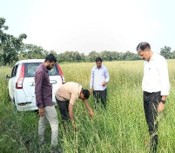
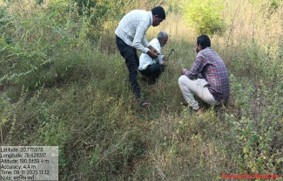
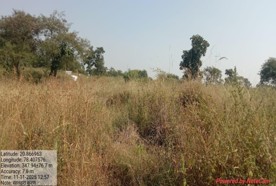
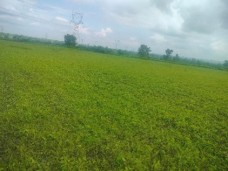
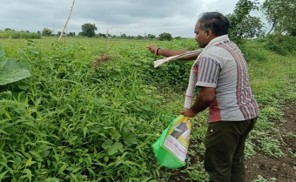
Above data present of view of livestock population and grassland area of villages. Second things is above villages are traditionally own fallow land of pastoral community they conserve for grasses production. Year of 2023 we initiated grassland conserve and restoration work in danapur village of Wardha district. Along with Nanda-Gaoli pastoralists, Forest department and village biodiversity committee collaboration. In Danapur village, the community collectively worked on restoring degraded grazing lands through traditional pastoral management systems on 11 hector of grassland The initiative focused on: protection and regeneration of native grass species, community-managed rotational grazing, removal and control of invasive species such as Lantana camara, Parthenium hysterophorus, and Cassia tora, Seasonal resting of grazing patches for natural regeneration, fodder conservation and improved water management etc.
Key Achievements in Danapur:
The restoration programme produced remarkable improvements in fodder production within just three years:
- 1st Year: Nearly 1 lakh bundles of grass harvested
- 2nd Year: Nearly 1.5 lakh bundles of grass harvested
- 3rd Year: Nearly 2.5 lakh bundles of grass harvested
The restored grasslands significantly improved the carrying capacity of village commons and increased fodder availability for: Indigenous Gaolao cattle, Nagpuri/Gawali buffalo, Other village livestock and local wildlife species.
The initiative also reduced seasonal distress migration of pastoral families:
- Migration duration reduced by nearly 5-7days per year
- Grazing availability within village grasslands increased by nearly 15 additional days every years.
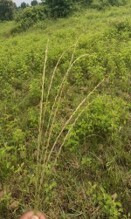
- We restored 15 plus traditional grass varieties.
Due to improved grass availability and better pasture management, several pastoral families were able to completely stop seasonal migration with livestock, allowing them to remain within their villages for longer periods and improve livelihood stability.
Expansion to other villages:
Following the success of Danapur, neighbouring 14th villages adopted similar grassland restoration and grazing management practices. Gaolau Trust expanded the initiative to multiple villages across the region through community mobilisation and traditional pastoral knowledge systems.
Use of Fallow Lands
To address chronic fodder scarcity, the Trust has now initiated work on nearly 1,000 acres of fallow land for productive grass cultivation and fodder regeneration. These lands are being managed collectively with local communities to improve year-round fodder security and reduce pressure on forest ecosystems.
Community and Institutional Grassland Governance
An important institutional achievement has been the transfer of grassland management responsibilities in collaboration with local governance systems.
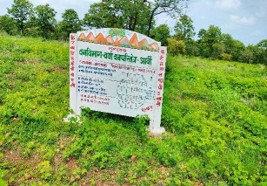
In 5 villages, nearly 10 hectares of grassland in each village have been handed over by the Forest Department to local Biodiversity Management Committees (BMCs) for community-based management and conservation during which year?
Policy and Conservation Significance
The initiative demonstrates the importance of pastoral communities as ecological custodians of grassland landscapes. Through collective action and indigenous knowledge systems, the Nanda-Gaoli community has shown that community-led rangeland restoration can improve livelihoods while conserving biodiversity and indigenous livestock breeds.
The work aligns with the principles of:
- Biodiversity conservation act
- Convention on Biological Diversity
- National Livestock Policy, 2013
- Community-based biodiversity conservation frameworks
Today, the Danapur model and its expansion across multiple villages are emerging as important examples of climate-resilient pastoralism and sustainable grassland management in Vidarbha.
Policy Changes and Advocacy Outcomes:
- Sanctioned Grassland Storage Space (5,000 sq ft): Through sustained advocacy by the Trust and Association, a dedicated grassland fodder storage facility of 5,000 sq ft has been sanctioned and operationalised jointly with the Forest Department during which year? and the Trust and Village Biodiversity committee — providing the community infrastructure to build indigenous fodder banks and ensure feed security during dry-season scarcity.
- Grassland School at Heti Kundi, Gaolao Farm: A Grassland School has been established at the Heti Kundi Gaolao Farm during which year?— implemented collaboratively by the Trust and the Animal Husbandry Department (AHD), Wardha. This is a first-of-its-kind community learning centre on grassland ecology, indigenous pastoral knowledge, and native grass species conservation.
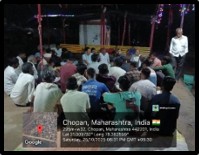
- 33 Village Biodiversity Management Committees (BMCs): The Trust has facilitated the formation of 33 BMCs across its operational villages. Each BMC is trained in grassland governance, People’s Biodiversity Register (PBR) documentation, ethno-veterinary medicine, and biodiversity conservation — creating a durable community-led governance structure for rangelands.
- Community Forest Rights (CFR) and FRC Formation: The Trust has been a sustained advocate for CFR claims under the Forest Rights Act, 2006. It has supported the formation of Forest Rights Committees (FRCs) in multiple villages and facilitated formal CFR claim submissions to secure pastoralist access to traditional grazing lands and forest-fringe resources. This work is ongoing.
- National Breed Conservation Award: Trust get Award under institutional category for Breeding and Ecological conservation from ICAR- National Bureau of Animal Genetic Resources, Karnal at NASC New Delhi.
- Maharashtra Biodiversity Board — Honoured for Biodiversity Work: The Trust has been honoured by the Maharashtra Biodiversity Board for outstanding biodiversity conservation work, including grassland documentation, 33-village BMC formation, and PBR preparation.
- Jagtik Krishi Mahotsav — Krishi Mauli Award: The Trust and Association have been honoured at the Jagtik Krishi Mahotsav with the prestigious Krishi Mauli Award, recognising their pioneering contributions to Gaolao breed conservation and grassland restoration.
Additional Achievements and Innovations
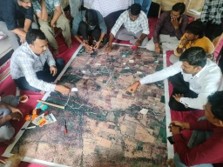
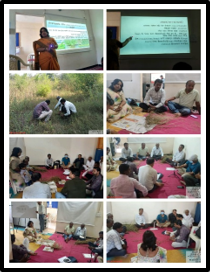
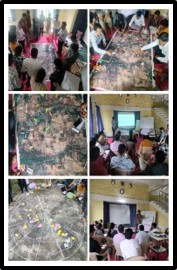
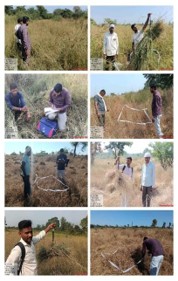
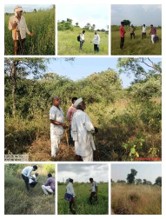
- Participatory Science: Bridging Community Knowledge and Research:- The Trust employs a Participatory Research Approach that places community members as co-investigators. Scientific methods used include: Herbarium preparation — documenting 18 native grass species, Grass density measurement using 1m x 1m quadrat plots, Grassland biodiversity documentation through People’s Biodiversity Registers (PBR), Land preparation using the ‘Kantor Banding’ technique on degraded grassland patches, Field observation of grazing patterns to inform rotational grazing management protocols
- Revival of the Bhaldev Grassland Festival: The Trust has documented and revived Bhaldev — the traditional Nanda-Gaoli grassland festival marking the community-sanctioned commencement of seasonal grazing. Bhaldev carries deep ecological logic: it prohibits grazing entry until grasses have matured and set seed, ensuring rangeland regeneration before livestock pressure resumes. Its revival reinstates a culturally legitimate, community-enforced anti-overgrazing mechanism.
- Ethno-Veterinary Medicine (EVM) Knowledge and Pastoral School: The Trust has systematically documented the Nanda-Gaoli community’s traditional ethno-veterinary medicine (EVM) knowledge and established a Pastoral School to train youth in this knowledge preventing the intergenerational loss of indigenous animal health practices. BMC capacity-building programmes integrate EVM knowledge alongside grassland governance.
- Gaolao Food Plates-Grassland Food Documentation: The Trust’s Food Plates Programme collects and presents food and nutritional resources derived from grasses and plants around the Bor Wildlife Sanctuary, displaying them as ‘food plates’. This innovative documentation demonstrates the nutritional, cultural, and ecological importance of grassland biodiversity to broader audiences, and builds public appreciation for rangelands.
- Youth and Women’s Empowerment: The Trust advocates for pastoralist youth and women across all its programmes. The Pastoral Youth Association channels young Nanda-Gaoli members into conservation leadership, participatory research, and cultural practice. The Rushikesh Kalokar’s selection for the ILC Leadership Programme and the Inter-Regional Pastoral School in Kyrgyzstan reflects the international recognition that this youth advocacy has earned.
Future Plans and Opportunities for Strengthening Rangeland Restoration and Pastoralism
- Expansion of Community Grassland Restoration: Gaolau Trust plans to expand grassland restoration activities to additional 15th villages. The focus will be on restoring degraded commons, regenerating native grass species, and strengthening community-managed grazing systems.
- Strengthening Community Governance Systems: Future efforts will focus on empowering Gram Sabhas, Biodiversity Management Committees (BMCs), and pastoral institutions for long-term management of grazing commons. Community-led rules for rotational grazing, seasonal protection, and equitable resource sharing will be further strengthened.
- Restoration of Fallow Lands for Fodder Security: The Trust is currently working on nearly 1,000 acres of fallow land for productive grass cultivation and plans to expand this initiative further. This will improve year-round fodder availability and reduce dependence on seasonal migration.
- Indigenous Breed Conservation: Special emphasis will continue on conserving: Indigenous Gaolao (Arvi/Gaulgani) cattle, Nagpuri/Gawali buffalo and Future plans include community breeding programmes, indigenous bull networks, breed documentation, and youth engagement in livestock conservation.
- Reducing Seasonal Migration: By improving village-level fodder availability and restoring grazing lands, the Trust aims to further reduce distress migration of pastoral families and livestock during summer months.
- Women and Youth Participation: The Trust plans to strengthen the participation of women and youth in: Grassland restoration, Livestock management, Dairy value addition trough women dairy cooperative.
- Strengthening Policy Advocacy- Gaolau Trust aims to advocate for: Recognition of grasslands as productive ecosystems, Protection of grazing rights and pastoral mobility, Greater policy recognition for pastoral communities, Inclusion of indigenous livestock breeding and conservation in government programmes.
- Research and Documentation – Future opportunities include: Documentation of traditional pastoral knowledge and package of practices,Mapping native grass species, Community biodiversity monitoring, Research on climate-resilient pastoral systems.
Pictures and Video Clips:
Photographic and video documentation of the Trust’s activities — including Gaolao cattle fairs, grassland restoration, Bhaldev festival revival, herbarium preparation workshops, BMC meetings, Food Plates Programme, and seasonal migration — is available at:
- Facebook: @Gaolao Breeders Association
- LinkedIn: Dr. Prafulla Kalokar — Restoration, Documentation & Participatory Activities (2025)
- Published in Langscape Magazine, Vikalp Sangam, Rural India Online, Down to Earth, and Agrowon
Photos: