|
Details Of Innovation
|
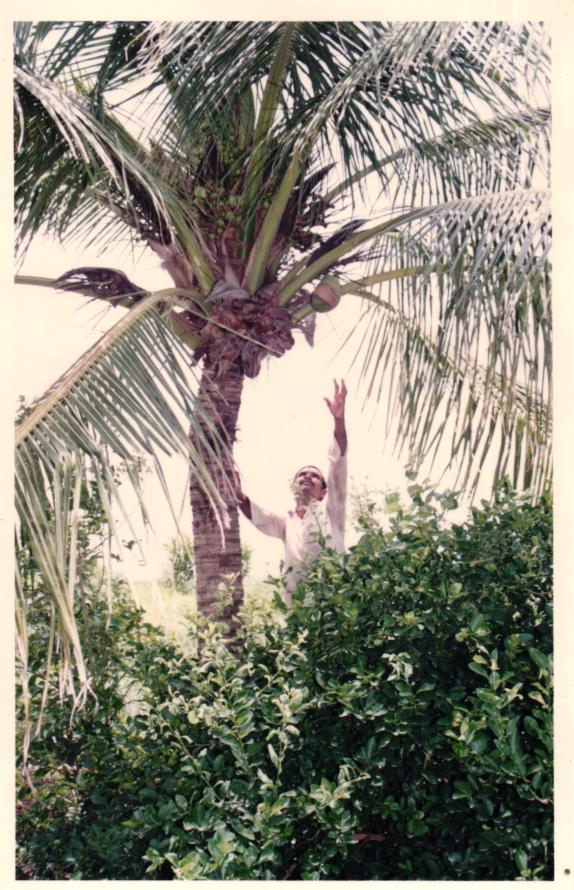
Mr. Sundraraman is a 60 year old farmer from Sathyamangalam of Erode District. He completed his Diploma in engineering course in 1963 and took agriculture as his profession to meet family needs. Now he is involved in cultivation of sugarcane, turmeric, maize, fodder crops and coconut by well irrigation. During his initial stages, he followed inorganic farming. After some years, he understood the negative effects caused by chemicals to the soil, such as increasing / decreasing alkalinity/ acidity, reduction of groundwater table and deterioration of soil fertility. All these factors lead to reduction of crop yield and thereby reduce income from the field. He was also inspired by Mr. Nagaraj who created awareness about organic farming in their area. Then he visited many organic agricultural farms and also participated in the "campaign on organic farming" conducted by SEVA 3 years back. He contacted Mr. Nammalwar (a retired officer of Dept. of Agriculture) to discuss about organic farming. Mr. Nammalwar taught him about mulching and green manuring for sugarcane crop. After his success in organic raising of sugarcane, he advised other farmers of his area to follow the same to raise banana, jasmine, vegetable crops and sugarcane. Mulching: The leftover trash after crop harvest at the time of trashing is placed and spread on the soil surface as mulching material in the alternate rows with a breadth of 2-3 feet. By following this practice, the the total water requirement of crop is reduced to 50% of the actual requirement because alternate rows are irrigated. Advantages:1. Decomposed trash acts as soil conditioner 2. It increases the earthworm population 3. Weed is suppressed.
|