|
PAS 1
|
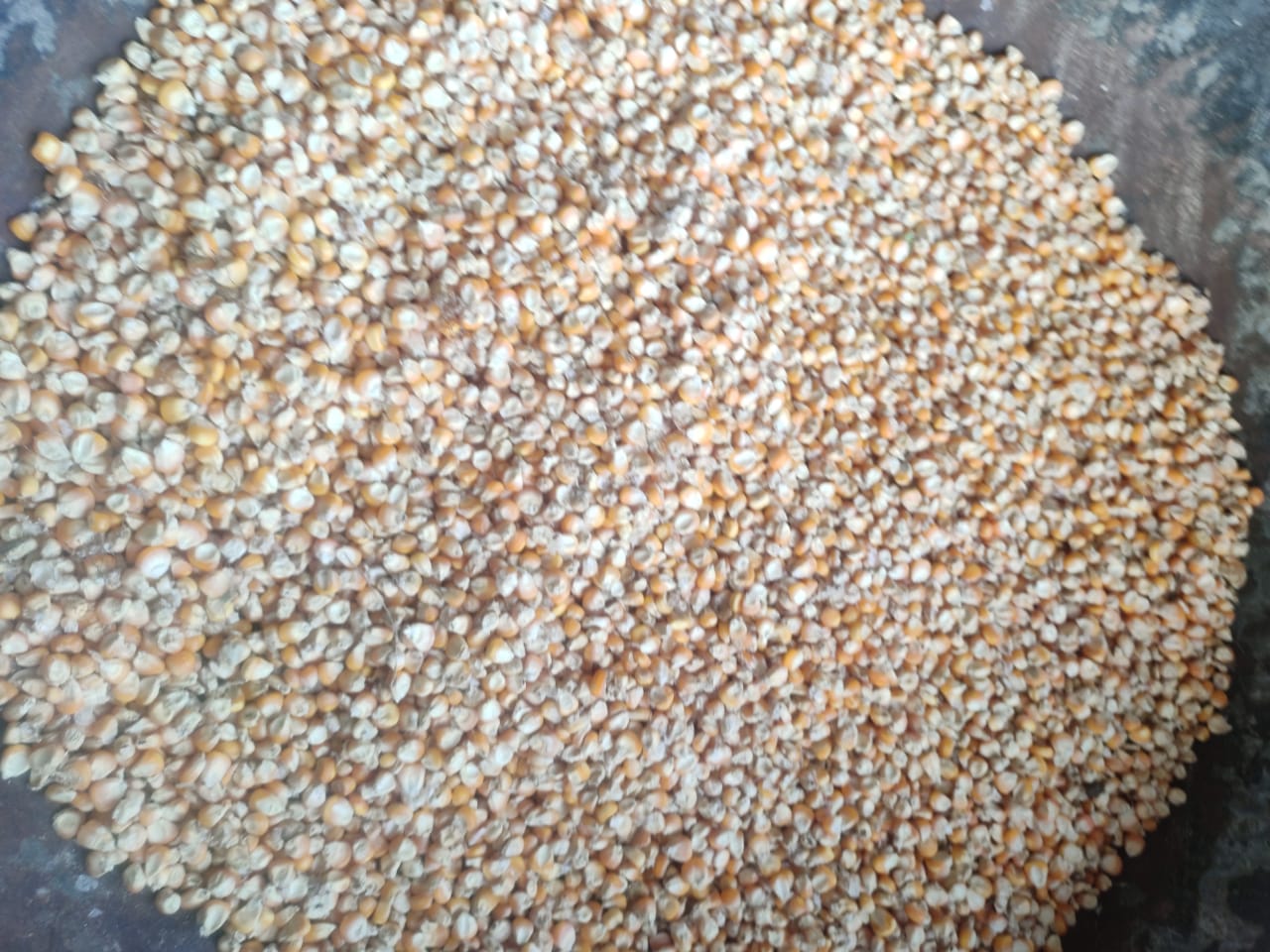
"The insecticidal property of dry leaves of Vitex negundo against the Sitophilus granarius in the laboratory at (28±3) 0C and (78±3) % r. h. with Soxhlet extracted extracts of V. negundo leaves in ethanol, methanol, chloroform, acetone and n-Hexane were tested and found very effective to control the store grain insect pest. The biopesticidal effects of extracts in different solvents were compared by calculating LD10, LD50, LD90 and LD99 values for 96 hrs. The Probit analysis of data demonstrated that LD values for ethanol, methanol, chloroform, acetone and n-Hexane extracts were LD10 – 1.216, 1.141, 0.9298, 1.265, 0.5398 ml/Kg; LD50 – 2.997, 3.106, 2.490, 3.727, 1.302 ml/Kg; LD90 – 7.392, 8.457, 6.667, 10.98, 3.142 ml/Kg and LD99 –15.43, 19.14, 14.88, 26.50, 6.439 ml/Kg respectively, for 96 hrs." [Nilesh Jawalkar, Sureshchandra Zambare. Bioinsecticidal activity of Vitex negundo L. (Family: Verbenaceae) leaf extracts against Sitophilus granarius L. in stored maize grains. J Entomol Zool Stud 2020;8(2):1532-1538. DOI: 10.22271/j.ento.2020.v8.i2z.6643] https://www.entomoljournal.com/archives/?year=2020&vol=8&issue=2&ArticleId=6643
|
|
PAS 2
|
"The insecticidal property of dry leaves of Vitex negundo against the Sitophilus granarius in the laboratory at (28±3) 0C and (78±3) % r. h. with Soxhlet extracted extracts of V. negundo leaves in ethanol, methanol, chloroform, acetone and n-Hexane were tested and found very effective to control the store grain insect pest. The biopesticidal effects of extracts in different solvents were compared by calculating LD10, LD50, LD90 and LD99 values for 96 hrs. The Probit analysis of data demonstrated that LD values for ethanol, methanol, chloroform, acetone and n-Hexane extracts were LD10 – 1.216, 1.141, 0.9298, 1.265, 0.5398 ml/Kg; LD50 – 2.997, 3.106, 2.490, 3.727, 1.302 ml/Kg; LD90 – 7.392, 8.457, 6.667, 10.98, 3.142 ml/Kg and LD99 –15.43, 19.14, 14.88, 26.50, 6.439 ml/Kg respectively, for 96 hrs." [Nilesh Jawalkar, Sureshchandra Zambare. Bioinsecticidal activity of Vitex negundo L. (Family: Verbenaceae) leaf extracts against Sitophilus granarius L. in stored maize grains. J Entomol Zool Stud 2020;8(2):1532-1538. DOI: 10.22271/j.ento.2020.v8.i2z.6643] https://www.entomoljournal.com/archives/?year=2020&vol=8&issue=2&ArticleId=6643
|
|
PAS 3
|
"Leptadeniareticulata (Retz.) Wight &Arn. (Apocynaceae), is a traditional medicinal plant species widely used to treat various ailments such as tuberculosis, hematopoiesis, emaciation, cough, dyspnea, fever, burning sensation, night blindness, cancer, and dysentery. In Ayurveda, it is known for its revitalizing, rejuvenating, and lactogenic properties. This plant is one of the major ingredients in many commercial herbal formulations, including Speman, Envirocare, Calshakti, Antisept, and Chyawanprash. The therapeutic potential of this herb is because of the presence of diverse bioactive compounds such as α-amyrin, β-amyrin, ferulic acid, luteolin, diosmetin, rutin, β-sitosterol, stigmasterol, hentricontanol, a triterpene alcohol simiarenol, apigenin, reticulin, deniculatin, and leptaculatin. However, most biological studies on L. reticulata are restricted to crude extracts, and many biologically active compounds are yet to be identified in order to base the traditional uses of L. reticulata on evidence-based data. [Leptadeniareticulata (Retz.) Wight &Arn.(Jivanti): Botanical, Agronomical, Phytochemical, Pharmacological, and Biotechnological Aspects ]" https://www.researchgate.net/publication/279492229_Bio-efficacy_of_insecticides_against_aphid_and_leaf_bug_on_dodi_Leptadenia_reticulata_Retz_Wight_Aruott
|
|
PAS 4
|
"Grain Storage: Methods and Measurements." https://www.researchgate.net/publication/260415101_Grain_storage_methods_and_measurements
|
|
Agro Ecological Zone
|
The Islands Region-XV,Port Blair
|
|
Other Community Practices
|
" Sun drying of grains, • Use of ash, • Red soil coating method, • Plastering of storage bins with clay and cow dung, • Storage of pulses with common salt, • Turmeric application method, • Use of garlic cloves, • Mixing of leaves, • Stepping method or Stamping method, • Use of salt and chilli powder, • Use of Neem (Margosa) leaves, • Use of Neem (Margosa)leaves and dry chillies, • Use of Neem Oil /Margosa oil, • Use of camphor, • Use of castor powder, • Sand mixture method, • Use of dried red chillies, • Use of lime powder, • Use of matchbox, • Fumigation of the godown /store rooms, • Use of Neem (Margosa) seed powder, • Use of ginger rhizome, • Use of custard apple seed powder and • Use of Tulsi (basil) seeds." https://medcraveonline.com/APAR/indigenous-practices-for-eco-friendly-storage-of-food-grains-and-seeds.html
|
|
Practice ID
|
KNW0020000000232
|
|
Annotation ID
|
GIAN/GAVL/940
|
|
Reference
|
HBN database
|
|
Technology Transfer Terms
|
DIY
|