|
PAS 1
|
"Salt can be an effective and natural method to kill termites." https://killtermitesguide.com/how-to-kill-termites/
|
|
PAS 2
|
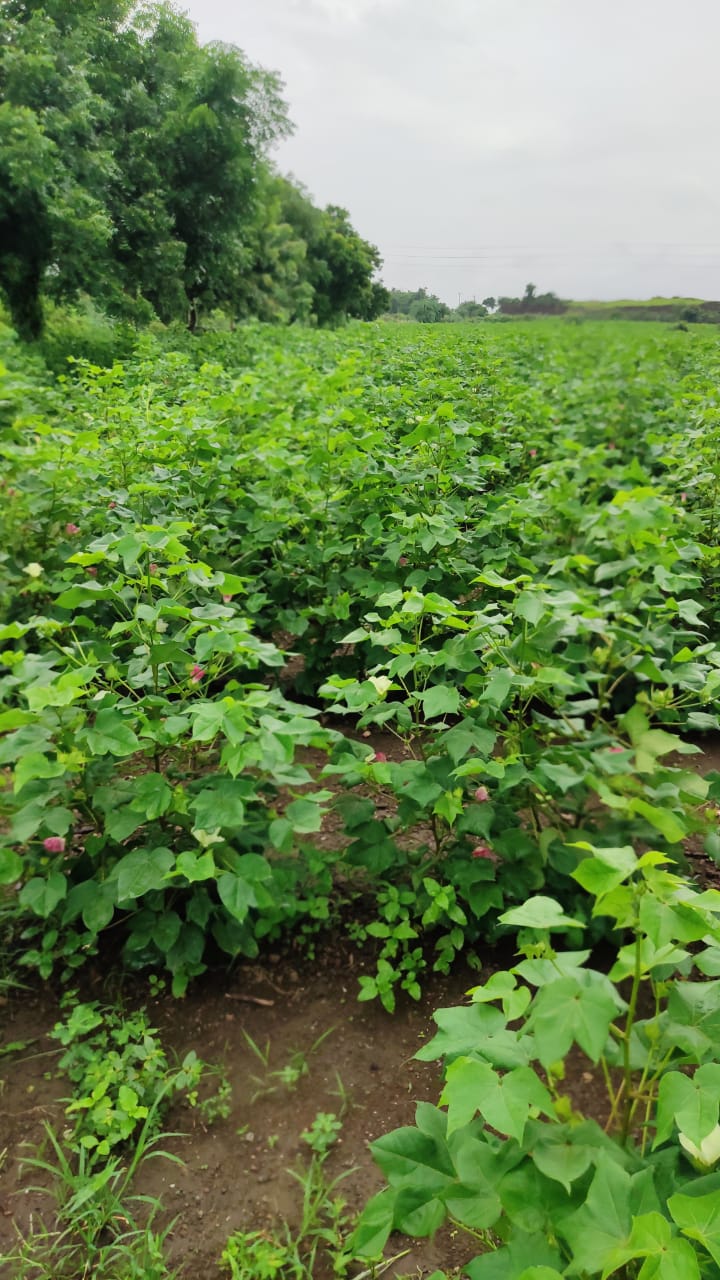
"Cotton Aphids - Cultural management. Aphid populations tend to be larger in clean-till or conventional-till production systems compared to crops planted into small grains or sorghum residue. The planting date can greatly influence the risk of developing bundant aphids. In general, higher aphid numbers tend to develop in late-planted cotton than in early plantings. A uniform stand can also play a role. Aphids are likely to be more prevalent in “skippy stands or cotton planted in a skiprow pattern. Avoid excessive nitrogen. Nitrogen ompounds are the staple of aphid nutrition; too much nitrogen makes the cotton a more nutritionally suitable host, and the aphids thrive in greater numbers. Biological control. Predators, parasitoids, and aphid-killing fungi are often the most effective tools for managing an aphid opulation. These beneficial organisms can effectively prevent aphids from reaching the action threshold, or can quickly reduce the aphid population to sub-threshold levels. When possible, avoid killing these natural enemies when treating for other pests such as cotton flea hoppers, bollworms, or lygus bugs. Lady beetles are usually the most notable aphid predator in cotton (Fig. 6). Research conducted by the University of Arkansas demonstrates that once a lady beetle population reaches 0.3 adults or 0.2 larvae per 1 rowfoot, the aphid populations usually decline within a few days. Figure 6. Adult lady beetle. The parasitoid Lysephilebus testaceipes, a small wasp about 1/16 inch long, lays a single egg in an aphid. The egg hatches and, as it grows, the wasp larva feeds on the internal structures of the aphid. Each swollen, parasitized aphid (mummy) produces a single parasitoid—the new wasp that eventually emerges from the dead husk of their aphid host. Another natural control agent is Neozygites fresenii, a fungus that infects and kills aphids.It is most prevalent under humid conditions, but can grow in drier areas under dense, shady plant canopies. This fungus can quickly reduce an aphid population to very low numbers. Because the parasitoid and the fungus need relatively high aphid populations to develop an epizootic (disease outbreak in an animal or insect population) widespread enough to control an aphid population, these agents often arrive when the aphid population is near or has exceeded the action threshold. However, if the aphid population contains 20 percent mummies or fungal-infected aphids, the population will decline sharply within a week." https://agrilifecdn.tamu.edu/lubbock/files/2017/07/Cotton-aphid_ENTO074.pdf
|
|
PAS 3
|
" Try spraying cold water on the leaves; sometimes all aphids need is a cool blast to dislodge them. Typically they are unable to find their way back to the same plant. • If you have a large aphid invasion, dust plants with flour. It constipates the pests. • Neem oil, insecticidal soaps, and horticultural oils are effective against aphids. Be sure to follow the application instructions provided on the packaging. • You can often get rid of aphids by wiping or spraying the leaves of the plant with a mild solution of water and a few drops of dish soap. Soapy water should be reapplied every 2-3 days for 2 weeks. • One variation of this soap-water mix includes cayenne pepper: Stir together 1 quart water, 1 tsp liquid dish soap, and a pinch of cayenne pepper. Do not dilute before spraying on plants. • Diatomaceous earth (DE) is a non-toxic, organic material that will kill aphids. Do not apply DE when plants are in bloom; it is harmful to pollinators, too" https://www.almanac.com/pest/aphids
|
|
PAS 4
|
"The concept of integrated pest management (IPM) is discussed in this paper and its large scale application throughout the country has been recommended. The benefits derived from IPM, directly or indirectly, are long-lasting, economical and ecofriendly. "Sundaramurthy, V. T., & Gahukar, R. T. (1998). Integrated Management of Cotton Insect Pests in India. Outlook on Agriculture, 27(4), 261–269." https://doi.org/10.1177/003072709802700409
|
|
Other Community Practices
|
"Green-Manuring For Rice." http://203.200.22.249:8080/jspui/bitstream/123456789/12109/1/Green_Manuring-for_Rice_1146.pdf
|
|
Practice ID
|
DTP0010000005739
|
|
Annotation ID
|
GIAN/GAVL/910
|
|
Reference
|
HBN database
|
|
Pest Group
|
Insecta, Lepidoptera
|
|
Pest Scientific Names
|
(Aphidoidea spp.), (Pectinophora gossypiella)
|
|
Technology Transfer Terms
|
DIY
|