|
PAS 1
|
"Predatory beetles eavesdrop on ants' chemical conversations to find best egg-laying sites - The lady beetle eats the scale insects tended by the ants. However, patrolling ants attack and kill adult beetles and remove all beetle eggs laid bare on ant-tended coffee plants." https://phys.org/news/2012-08-predatory-beetles-eavesdrop-ants-chemical.html
|
|
PAS 2
|
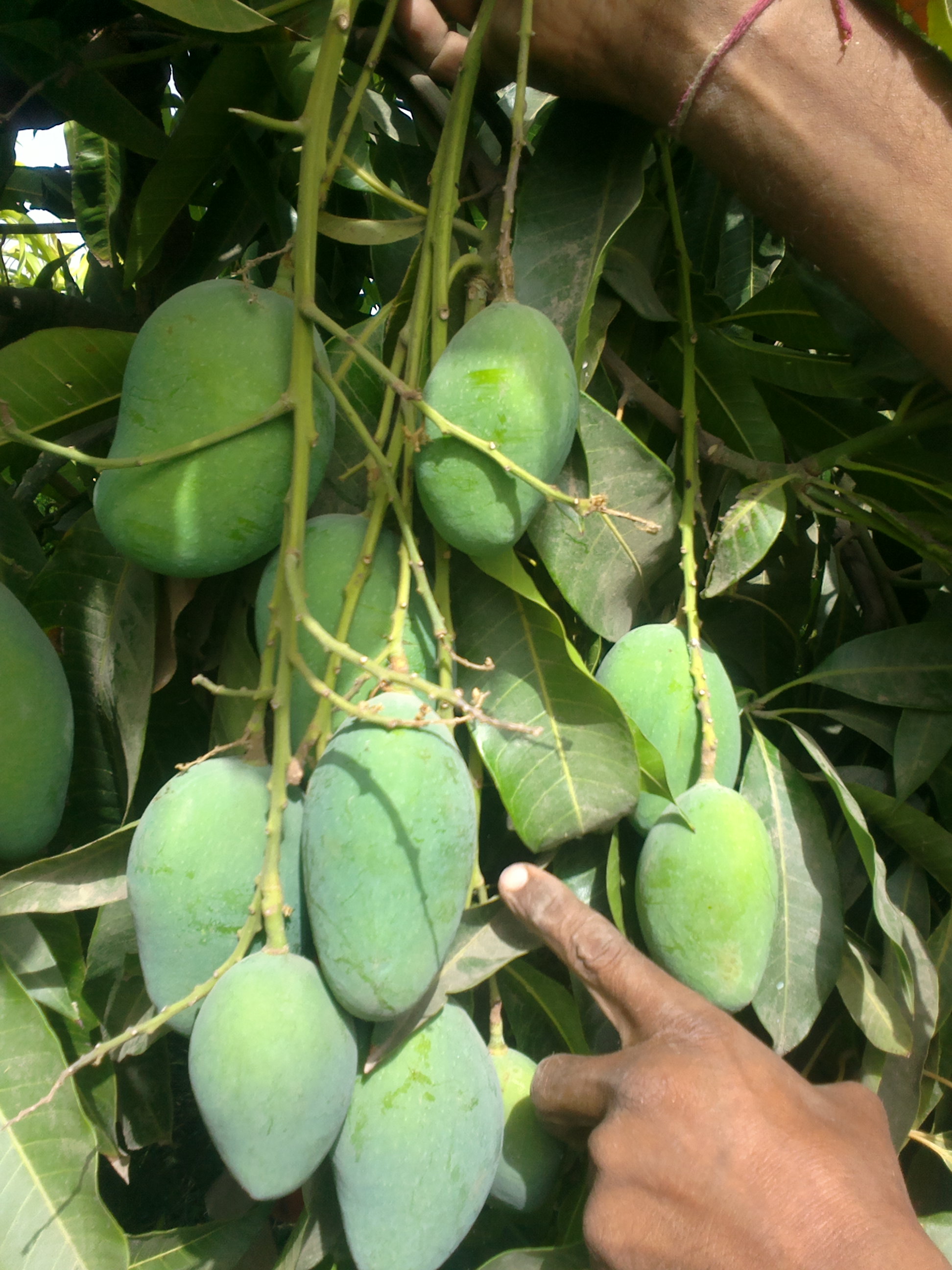
"Ants as biological control agents in agricultural cropping systems - Ants positively impact agricultural systems by rapidly consuming large numbers of pest insects, disturbing pests during feeding and oviposition, and increasing soil quality and nutrients. The ability of ants to control pest species has been recognized since the year 300 A.D. and farmers continue to conserve and promote ant populations in agricultural systems worldwide. Naturally occurring ant species in milpas, mango, citrus, coconut, cashews, and cotton control many pest insects." https://www.researchgate.net/publication/233526783_Ants_as_biological_control_agents_in_agricultural_cropping_systems#:~:text=Ants%20positively%20impact%20agricultural%20systems,increasing%20soil%20quality%20and%20nutrients.&text=Naturally%20occurring%20ant%20species%20in,cotton%20control%20many%20pest%20insects.
|
|
PAS 3
|
"Role of Ants in Pest Management" - https://www.annualreviews.org/doi/abs/10.1146/annurev.en.37.010192.002403?journalCode=ento
|
|
PAS 4
|
"The limited number of active plant protection substances authorized for use in organic farming can provide support to natural and biological control agents in suppression of pests and diseases. This chapter highlights the principles and strategies of crop protection in organic farming, the cultural practices adopted, the active substances allowed for use to suppress pests, and the impacts on faunal and floral biodiversity. A case study of organic date palm cultivation is discussed." [ https://www.intechopen.com/books/multifunctionality-and-impacts-of-organic-and-conventional-agriculture/insect-pest-management-in-organic-farming-system ]
|
|
PAS 5
|
"How to Use Tin to Protect Trees From Squirrels - Creating a tree guard from a flexible sheet of tin can help keep the squirrels out of your trees. A tree guard wrapped around a bird feeder post can also protect bird seed from the marauding rodents." https://homeguides.sfgate.com/use-tin-protect-trees-squirrels-59357.html
|
|
Other Community Practices
|
"Mahua flower are used as a food as well as used as an exchanger in tribal and rural areas. Mahua seeds are rich in edible fats so they have economic importance. Mahua fruits are used as vegetable and widely consumed by the tribes of western Odisha. Madhuca longifolia is also considered as medicinal herbs and is useful for external application in treating skin diseasesa, rheumatism, headache, chronic constipaption, piles, haemorrhoids and sometimes used as an emetic and galactagogue. Mahua oil is used for manufacturer of laundry soaps and detergent, and also used as cooking oil in various tribal region of India. Madhuca longifolia is reported by various scientist that it contain sapogenins, triterpenoids, steroids, saponins, flavonoids and glycosides. The tree is considered a boon by the tribal's who are forest dwellers and keenly conserve this tree. The tribes consider the mahua tree and the mahua drnk as paprt of their cultural heritage. So it is very much necessary to create awareness among the people to conserve the wild forest." https://www.researchgate.net/publication/257536534_Madhuca_Lonigfolia_Sapotaceae_A_review_of_its_traditional_uses_and_nutritional_proporties
|
|
Practice ID
|
DTP0010000002911
|
|
Annotation ID
|
GIAN/GAVL/905
|
|
Reference
|
HBN database
|
|
Technology Transfer Terms
|
DIY
|