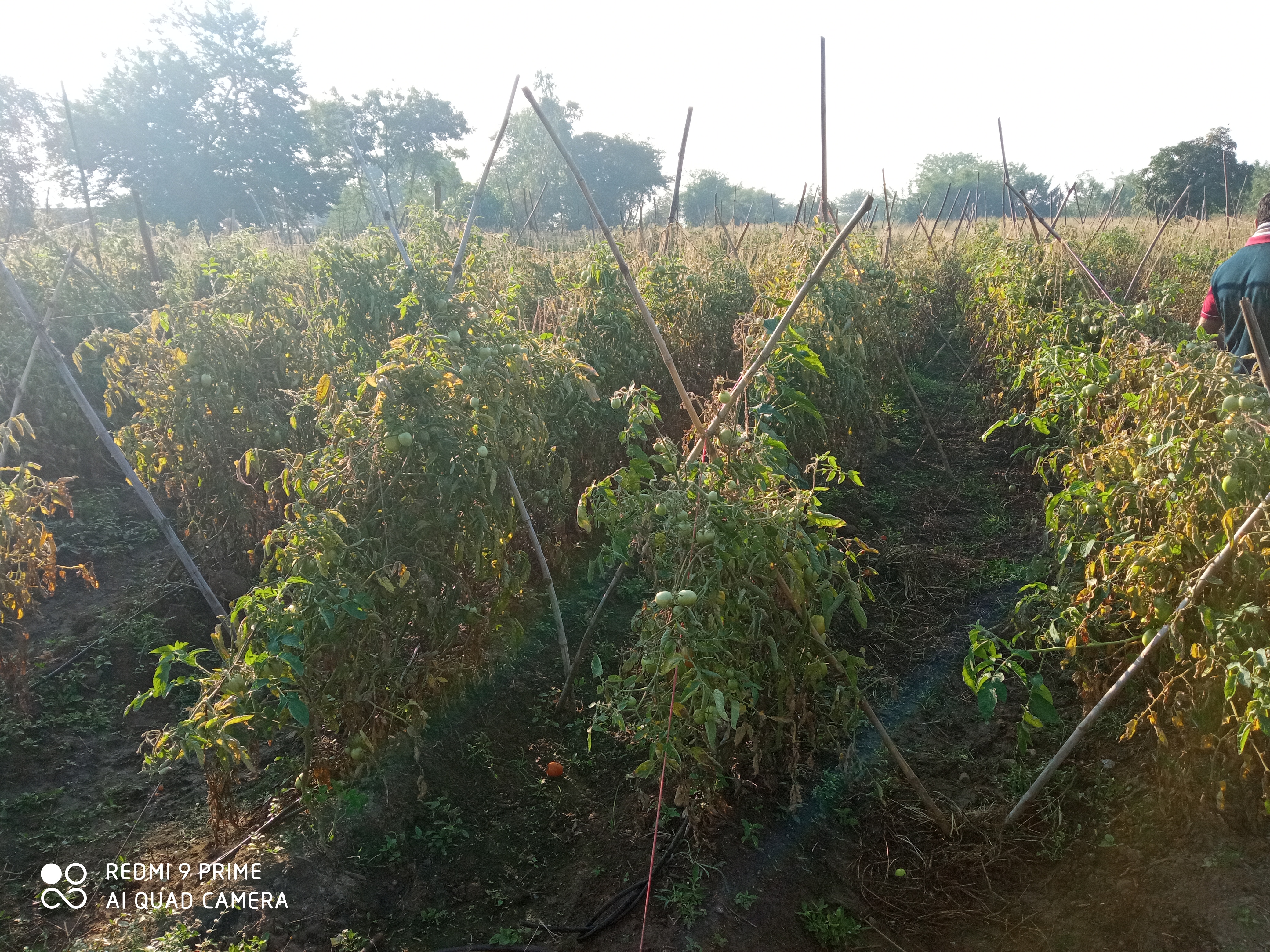
|
PAS 1
|
"Ecofriendly management of tomato fruit borer, Helicoverpa armigera." (Hubner)."https://www.researchgate.net/publication/237379510_Ecofriendly_management_of_tomato_fruit_borer_Helicoverpa_armigera_Hubner
|
|
PAS 2
|
"Ecofriendly techniques for the management of Helicoverpa armigera (Hubner) in tomato."https://www.researchgate.net/publication/288065667_Ecofriendly_techniques_for_the_management_of_Helicoverpa_armigera_Hubner_in_tomato
|
|
PAS 3
|
"LARVICIDAL EFFECT OF AQUEOUS LEAF EXTRACT OF TOBACCO [NICOTIANA TABACUM] ON THE THIRD INSTAR LARVAE OF MUSCA DOMESTICA."https://www.researchgate.net/publication/271213115_LARVICIDAL_EFFECT_OF_AQUEOUS_LEAF_EXTRACT_OF_TOBACCO_NICOTIANA_TABACUM_ON_THE_THIRD_INSTAR_LARVAE_OF_MUSCA_DOMESTICA
|
|
PAS 4
|
"Oriental fruit moth, Grapholita molesta (Busck) (Lepidoptera: Tortricidae), is an important pest of stone and pome fruits. Growers usually depend on chemical insecticides to control this pest, but demand for more environmentally-friendly means of controlling pests is increasing. At least 91 plant extracts have been reported to be effective against other lepidopterans, but their acute toxicity against G. molesta has rarely been studied. Among these 91 materials, we assessed the residual toxicity of 32 extracts against first instar larvae (< 5 h old) of G. molesta in the laboratory. Nicotiana tabacum L., used at the concentration of 2 mg/ml, showed the highest corrected mortality (92.0%) with a lethal time (LT50) value of 12.9 h. The extract was followed in its efficacy by Allium sativum L. (88.0%), Zanthoxylum piperitum (L.) De Candolle (70.0%), and Sapindus mukorossi Gaertner (65.0%), when mortality was assessed at 20 h after exposure. Against adult fruit moths (< 5 d old), N. tabacum also showed the highest corrected mortality among tested extracts, being 85 and 100% in adult females and males, respectively, at 168 h after exposure. However, there was no synergistic effect of the combined application of any of the top four extracts in either laboratory or greenhouse assays. Oviposition by G. molesta on peach twigs was reduced 85–90% when N. tabacum was applied at 4 ml/ twig compared to control (methanol), demonstrating that N. tabacum may have potential for use as a botanical insecticide against G. molesta." [Extract of Nicotiana tabacum as a potential control agent of Grapholita molesta (Lepidoptera: Tortricidae)] https://journals.plos.org/plosone/article?id=10.1371/journal.pone.0198302
|
|
Agro Ecological Zone
|
Eastern Ghats And TamilNadu Uplands And D (8.1)
|
|
Other Community Practices
|
Aloe vera (kathalai) leaves of Bougainvilla and papaya were boiled and added with turmeric powder and sprayed at a concentration of 10% to control fungal diseases and insect pests.
|
|
Practice ID
|
KNW0010000000913
|
|
Annotation ID
|
GIAN/GAVL/7
|
|
Reference
|
HBN database
|
|
Pest Group
|
Chewing Pest
|
|
Pest Scientific Names
|
(Helicoverpa armigera)
|
|
Technology Transfer Terms
|
DIY
|