|
PAS 1
|
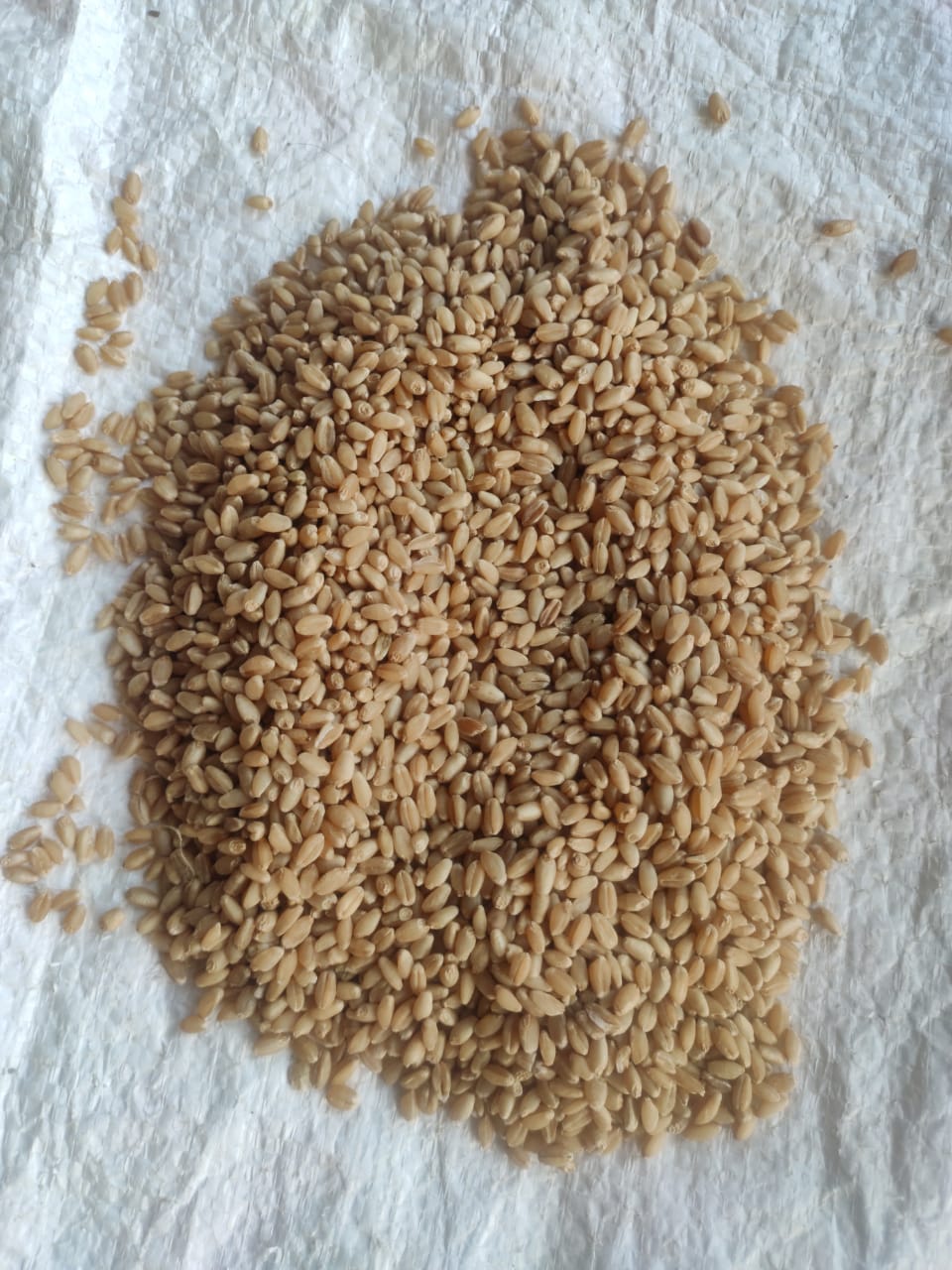
"Put a thin layer, about 1 1/2 centimetres of fresh neem leaves at the bottom of whatever container you use to store grain. On top of that put in a layer of sun-dried grain about 30 centimetres thick. Then put in another thin layer of neem, and on top of that another 30 centimetres of grain. Keep on alternating a thin layer of neem leaves with a thicker layer of grain up to the top of the container. Then close it up. Your grain will be safe from insects." [Neem Protects Stored Grain, G. Venkataramani, Agricultural Correspondent, The Hindu, Kasturi Buildings, Anna Salai, Madras ‑ 600 002, INDIA.] http://scripts.farmradio.fm/radio-resource-packs/package-29/neem-protects-stored-grain/#:~:text=Put%20a%20thin%20layer%2C%20about,another%2030%20centimetres%20of%20grain.
|
|
PAS 2
|
"Neem (Azadirachtaindica A. Juss.) has been demonstrated to reduce insect populations in stored products through its toxic and growth-disrupting and other effects on the pests. Grain movement and percussion also help to kill pests in grain. The combination of neem and grain movement on population growth and development of four insect pests is reported in this study. Dried whole neem leaves, neem leaf powder and neem seed kernel oil were combined individually with dried beans and rice in separate experiments, and subjected to varying degrees of gentle grain tumbling. The results showed that the combined treatments were more effective in reducing populations and disturbing growth and development of Acanthoscelidesobtectus (Say) (Bruchidae), Sitophilusoryzae (Linnaeus) (Curculionidae), Oryzaephilussurinamensis (Linnaeus) (Silvanidae) and Cryptolestesferrugineus (Stephens) (Cucujidae) compared to the untreated control or the neem or tumbling treatments alone. This study demonstrates the potential of a simple, effective and cheap method of protecting stored seed or food grain in small-scale storage for resource-poor farmers who do not have access to sophisticated control methods, entoleters or other mechanical devices for grain protection." [Facknath, S. Combination of neem and physical disturbance for the control of four insect pests of stored products. Int J Trop Insect Sci 26, 16–27 (2006). https://doi.org/10.1079/IJT200698]
|
|
Other Community Practices
|
" Sun drying of grains, • Use of ash, • Red soil coating method, • Plastering of storage bins with clay and cow dung, • Storage of pulses with common salt, • Turmeric application method, • Use of garlic cloves, • Mixing of leaves, • Stepping method or Stamping method, • Use of salt and chilli powder, • Use of Neem (Margosa) leaves, • Use of Neem (Margosa)leaves and dry chillies, • Use of Neem Oil /Margosa oil, • Use of camphor, • Use of castor powder, • Sand mixture method, • Use of dried red chillies, • Use of lime powder, • Use of matchbox, • Fumigation of the godown /store rooms, • Use of Neem (Margosa) seed powder, • Use of ginger rhizome, • Use of custard apple seed powder and • Use of Tulsi (basil) seeds." https://medcraveonline.com/APAR/indigenous-practices-for-eco-friendly-storage-of-food-grains-and-seeds.html
|
|
Practice ID
|
KNW0010000001372
|
|
Annotation ID
|
GIAN/GAVL/58
|
|
Reference
|
HBN database
|
|
Technology Transfer Terms
|
DIY
|