|
PAS 1
|
"Diarrhea, dyspnea, tympany, arching of the back, and loss of hair from the back were the prominent signs when Aristolochiabracteata was given orally to goats. The main lesions were hemorrhages in the lungs, heart, and kidneys, fatty change and congestion in the liver, mucoidabomasitis and enteritis and straw-colored fluid in serous cavities. An increase in aspartate aminotransferase activity, ammonia and urea concentrations and a decrease in the concentrations of total protein and magnesium were detected in the serum." [Barakat, Seifeldawla&Wasfi, Ibrahim & Adam, S.. (1983). The Toxicity of Aristolochiabracteata in Goats. Veterinary pathology. 20. 611-6. 10.1177/030098588302000513. ] https://www.researchgate.net/publication/16558798_The_Toxicity_of_Aristolochia_bracteata_in_Goats
|
|
PAS 2
|
"Swiss albino rats were used to study the toxicological effect of methanolic and chlorformic extract of Aristolochiabracteolata. Methanolic and chloroformic extracts were given at doses of 250 and 500 mg/kg BW to Swiss albino rats. Oral administration of the extract caused symptoms such as depression, arching of the back and tremors. Serum analysis indicated increase in the activi Aspartate amino transferease (AST), Alanine amino transferase (ALT) and alkaline phosphatase (ALP). The concentration of urea, creatinine, and ammonia were also increased and the concentration of total protein decreased. The main lesions found were haemorrhage in the kidney and congestion of the liver. It has been reported that chloroformic extract at the rate of 500 mg/kg was more toxic than all thetreatments." [Payal Chawla. et al. / Asian Journal of Research in Biological and Pharmaceutical Sciences. 1(2), 2013, 101 - 110. ]http://www.ajrbps.com/article/A%20REVIEW%20ON%20PHARMACOGNOSY%20AND%20BIOLOGICAL%20ACTIVITIES%20OF%20ARISTOLOCHIA_Payal%20Chawla.pdf
|
|
Agro Ecological Zone
|
Agro Ecological Sub Region (ICAR) Western Plain, Kachchh And Part Of Kathia ( 2.4, 2.3), Agro-Climatic Zone (Planning Commission) Gujarat Plains & Hills Region (XIII) , Agro Climatic Zone (NARP) North West Zone (GJ-5) North Saurashtra (GJ-6)
|
|
Practice ID
|
DTP0010000001167
|
|
Annotation ID
|
GIAN/GAVL/249
|
|
Reference
|
HBN database
|
|
Pest Group
|
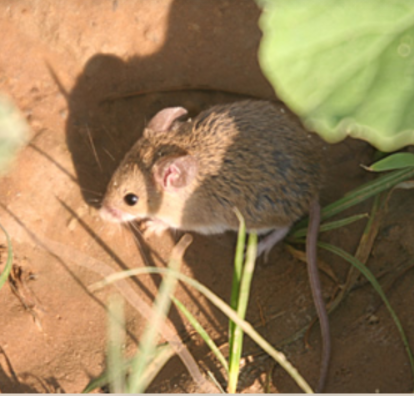
Muridae Illiger
|
|
Pest Scientific Names
|
Rattus
|
|
Technology Transfer Terms
|
DIY
|