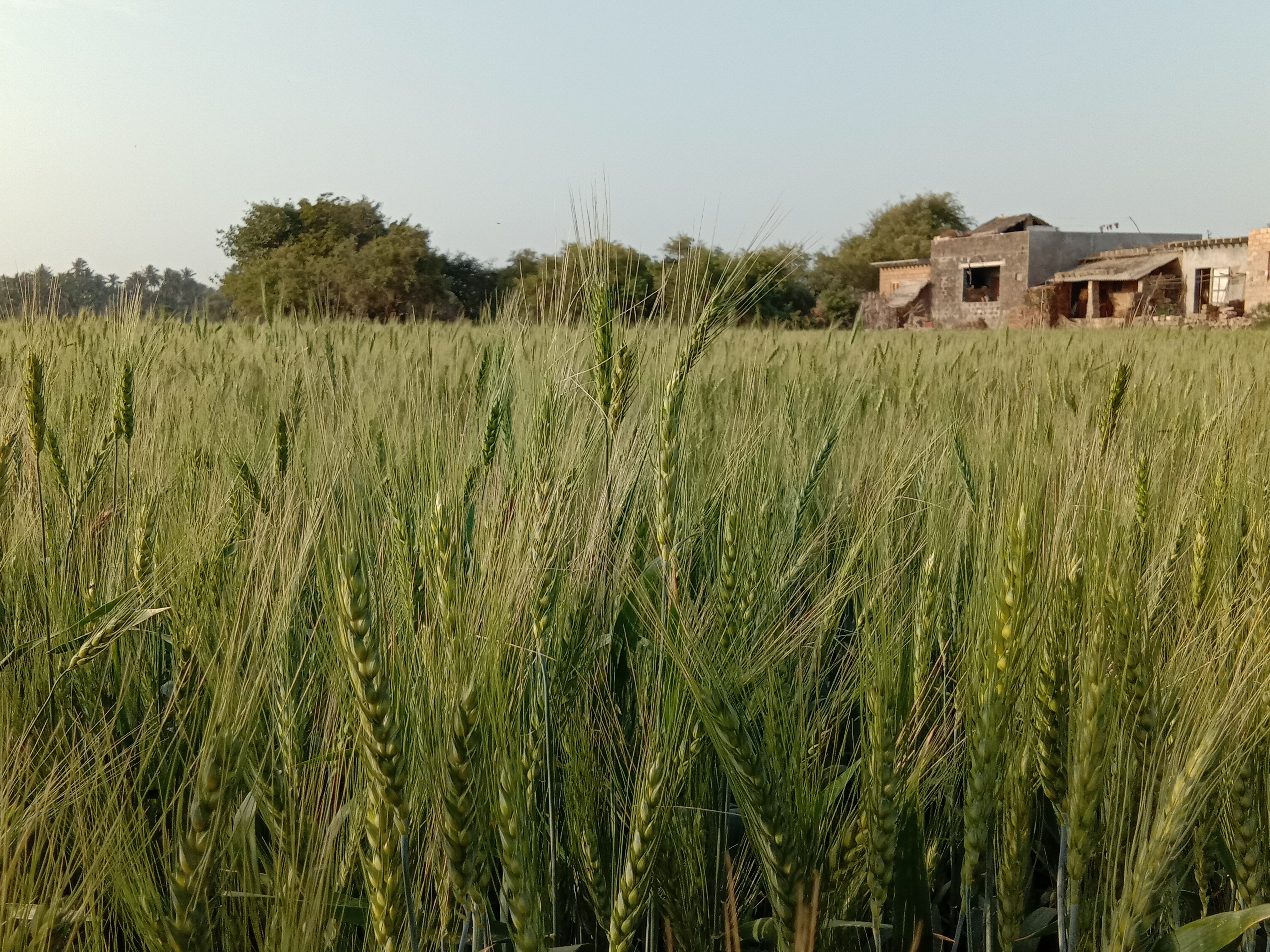
|
PAS 1
|
"Wheat Weed Control." https://www.sunflower.k-state.edu/agronomy/wheat/wheat_weed_control.html
|
|
PAS 2
|
"Preventive methods include crop rotation, cover crops (when used as green manures or dead mulches), tillage systems, seed bed preparation, soil solarisation, and management of drainage and irrigation systems and of crop residues.Cultural methods include crop sowing time and spatial arrangement, crop genotype choice, cover crops (when used as living mulches), intercropping, and crop fertilization.Curative methods include any chemical, physical (e.g. mechanical and thermal) and biological methods used for direct weed control in an already established crop. A list of the main methods that can be used in an integrated weed management strategy is shown in." http://www.fao.org/3/y5031e/y5031e0e.htm
|
|
PAS 3
|
"Worldwide limited success in weed control is probably the result of an over-simplification in tackling the problem. Too much emphasis has been given to the development of weed control tactics (especially synthetic herbicides) as ‘the’ solution for any weed problems, while the importance of integrating different tactics (e.g. preventive, cultural, mechanical, and chemical methods) in a cropping system-based weed management strategy has long been neglected."http://www.fao.org/3/y5031e/y5031e0e.htm
|
|
Agro Ecological Zone
|
Agro Ecological Sub Region (ICAR) Central Highlands (Malwa), Gujarat Plain (5.1) , Agro-Climatic Zone (Planning Commission) Gujarat Plains and hills region (XIII), Agro Climatic Zone (NARP) North Saurashtra, South Saurashtra (GJ-6,GJ-7)
|
|
Other Community Practices
|
"Effect of rice bran application for eco-friendly weed control, growth and yield of lowland rice in Bangladesh International Journal of Agronomy and Agricultural Research (IJAAR)."https://www.researchgate.net/publication/277092588_Effect_of_rice_bran_application_for_eco-friendly_weed_control_growth_and_yield_of_lowland_rice_in_Bangladesh_International_Journal_of_Agronomy_and_Agricultural_Research_IJAAR
|
|
Practice ID
|
DTP0010000001009
|
|
Annotation ID
|
GIAN/GAVL/182
|
|
Reference
|
HBN database
|
|
Technology Transfer Terms
|
DIY
|