| Category | Agriculture,Plant Protection,Insect pest control,Herbal |
| Crop | Cotton |
| Crop Family | Malvaceae |
| Scientific Name | (Gossypium spp.) |
| Vernacular Name | Kapas |
| Scout | HBN |
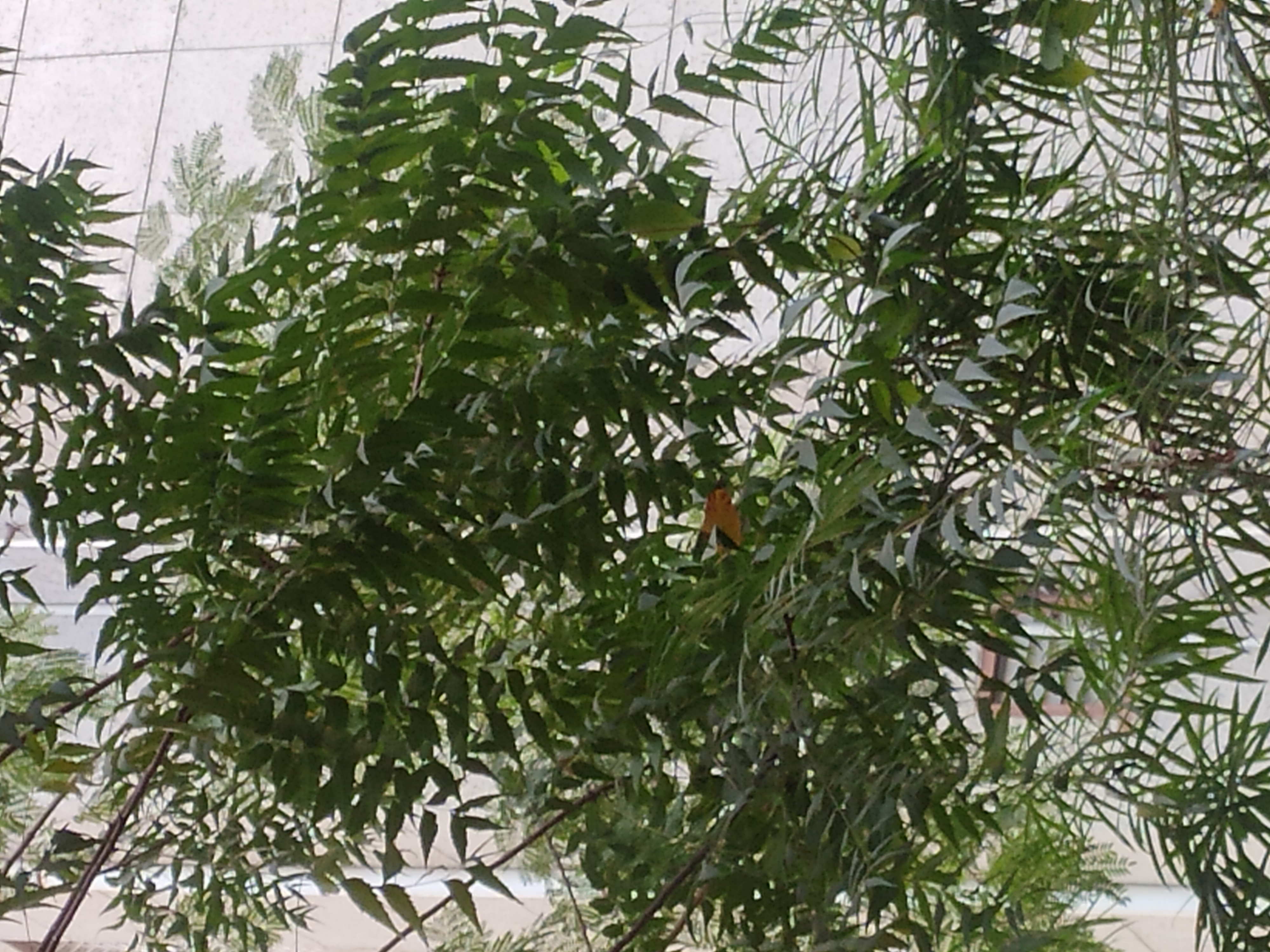
| Ingredients | Preparing herbal pesticide Neem seeds =500gms, Tobacco=1000gms, Acorus calamus=100gms, Asafoetida = 250 gms, Sapindus emarginata seeds = 50gms |
| Details Of Innovation | Preparing herbal pesticide He has been formulating herbal pesticide by using neem seeds, tobacco and otheringredients. Neem seeds =500gms, Tobacco=1000gms, Acorus calamus=100gms, Asafoetida = 250 gms, Sapindus emarginata seeds = 50gms This will be sufficient to spray 1 acre of cotton. He has so far produced 3000 litres of herbal pesticide and distribuited to 1000 local farmers in Dindigul and Coimbatore Districts. The scope and response from farmers who use herbal persticides is highly encouraging. He sells this pesticide @ Rs.75 -100 per acre which is sufficient for a single round. He uses his own household utensils for grinding boiling and mixing. Preparation of dust formulation He is using combination various plant products as dried powder and formulating them for dusting in the crop field against crop pest. This is in the experimental stage and he found it can be produced on a large scale after standardising the methods of mixing different herbal poweder. Support for R&D 1) He needs small scale machine / equipment grinding, steam boiling and blending. 2) He has to stabilize the pesticide formulation by bringing the the P.H. of the solution to the required neutral level. this needs acquiring a p.h. meter and also consultancy services from experienced chem,ists. 3) The wetting agent has to be refined and it should be compatiable with the plant product pesticide he prepares. 4) At present the shelf life of pesticide is only for 2 months. This has to be enhanced. 5) He experiments the efficacy of pesticide with the crop plants in the fields first. This work has to be strengthened, leading to make progress in R and D. 6) Better packing technology will help improve his product and make it more attractive to the farmers while withstanding transport risks. |

| Innovator / Knowledge Provider | Nagarajan. K |
| District | Dindigul Anna |
| KVK District | Gandhigram Rural University KVK, Gandhigram, Dindigul Dt. |
| Address | Dindigul Anna ,Tamil Nadu |
| Languages Spoken | Tamil |
| Vocation | Farming |
| State | Tamil Nadu |
| PIN Code | 624003 |
| PAS 1 | "HERBAL PESTICIDE TECHNOLOGY FOR CONTROLLING INSECTS AND PEST IN VEGETABLE CROPS."https://www.researchgate.net/publication/262491400_HERBAL_PESTICIDE_TECHNOLOGY_FOR_CONTROLLING_INSECTS_AND_PEST_IN_VEGETABLE_CROPS |
| PAS 2 | "DEVELOPMENT OF NATURAL PESTICIDES FROM FRUITS AND PLANT EXTRACTS."https://www.researchgate.net/publication/289470514_DEVELOPMENT_OF_NATURAL_PESTICIDES_FROM_FRUITS_AND_PLANT_EXTRACTS |
| PAS 3 | "Study on Homemade Bio-Pesticides and Organic Pest Management in Organic Farming."https://www.researchgate.net/publication/293275802_Study_on_Homemade_Bio-Pesticides_and_Organic_Pest_Management_in_Organic_Farming |
| Agro Ecological Zone | Eastern Ghats (Tamil Nadu uplands and south eastern sahayadris) and Deccan plateau, hot semiarid eco-sub region (8.1) ,Southern Plateau and Hills region (X),Western zone (TN-3) |
| Practice ID | TAM0010000000090 |
| Annotation ID | GIAN/GAVL/1171 |
| Reference | HBN database |
| Technology Transfer Terms | DIY |
GIAN is the first incubator of grassroots innovations set up in 1997 in collaboration with the Gujarat government and supported by SRISTI and IIMA in addition to the Honey Bee Network.
Registration Nos. –
BPTA (Bombay Public trust Act), 1950 – F/ 5830 (Ahmedabad)
SRA (Societies Registration Act) , 1860 – GUJ/5981/Ahmedabad
FCRA (Foreign Contribution Regulation Act) – 041910244
Bungalow No 1, Satellite Complex, Mansi Cross Roads, Judges Bunglow Rd, Satellite, Ahmedabad, Gujarat -380015
GIAN ©All rights reserved.